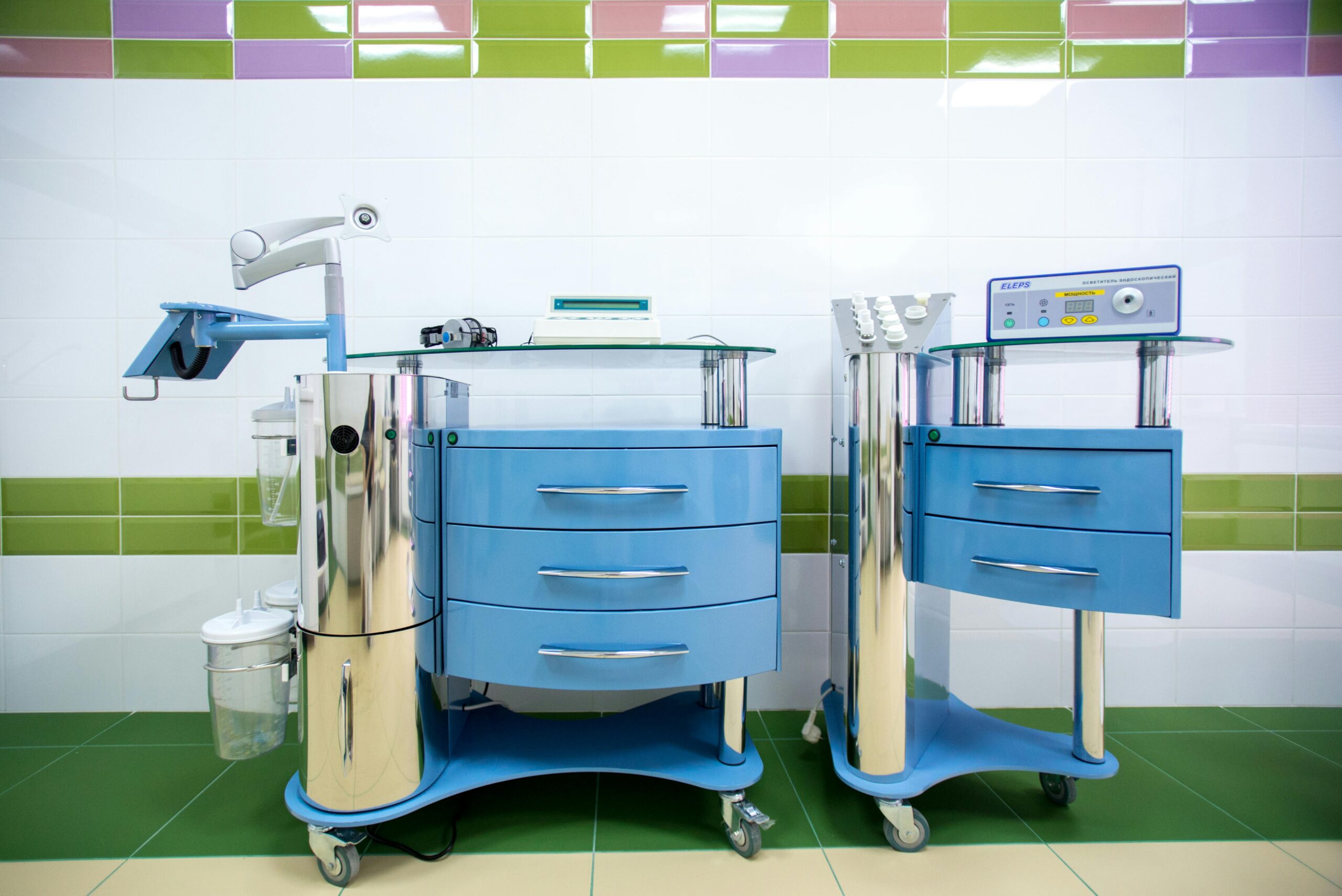
Healthcare technology keeps pushing boundaries in ways that would’ve seemed like science fiction just a decade ago. Today’s medical devices aren’t just tools, they’re game-changers that help healthcare professionals diagnose faster and more accurately while dramatically cutting down on errors. We’re talking about everything from diagnostic equipment and monitoring systems to surgical instruments and imaging devices that have completely reshaped how doctors approach patient treatment. What’s really remarkable is how these innovations have streamlined workflows, trimmed costs, and freed up medical staff to spend more time actually caring for patients rather than wrestling with paperwork. As healthcare systems worldwide grapple with mounting pressures and tight budgets, precision medical devices have become absolutely essential for delivering quality care without wasting precious resources.
Advanced Diagnostic Equipment Transforming Patient Assessment
Getting the diagnosis right is everything in medicine, it’s the cornerstone of effective treatment. Modern diagnostic devices have revolutionized how clinicians identify conditions, making the process both faster and more reliable. Take electrocardiogram machines, for instance. They’ve evolved from those clunky, intimidating systems of yesteryear into sleek, intuitive devices that deliver instant cardiac assessments with digital features that sync seamlessly with other systems.
Digital Monitoring Systems Enhancing Patient Safety
Patient monitoring has gotten seriously sophisticated over the past few years. Today’s digital systems track multiple vital signs at once while alerting healthcare teams to worrying trends before they spiral into full-blown emergencies. Modern vital signs monitors use advanced algorithms that filter out the noise and false readings, which has dramatically cut down on those unnecessary alarms that drive nursing staff absolutely crazy. What’s really impressive is how these intelligent systems detect subtle physiological changes hours before obvious symptoms show up, giving doctors the chance to step in proactively rather than reactively.
Precision Surgical Instruments and Robotic Assistance
The operating room has witnessed some genuinely mind-blowing advances in surgical tools that make procedures more precise than ever before. Robotic surgical systems let surgeons perform incredibly complex operations through tiny incisions, with enhanced dexterity and three-dimensional visualization that actually surpasses what human hands and eyes can achieve on their own. These systems translate a surgeon’s movements into micro-precise instrument actions, eliminating the natural tremors that come with being human and enabling delicate procedures that would’ve been impossible just a few years back. Advanced electrosurgical devices provide tissue cutting and coagulation with pinpoint accuracy and minimal thermal spread, which means less damage to healthy tissue and faster recovery times for patients.
Laboratory Automation Accelerating Diagnostic Processing
Clinical laboratories have undergone a complete transformation thanks to automation technologies that can process thousands of samples every single day with remarkable speed and accuracy. Automated chemistry analyzers can run dozens of different tests simultaneously on one blood sample, delivering comprehensive results in minutes instead of making people wait for hours. These systems cut down on human handling, which reduces the risk of contamination and those dreaded labeling errors that can seriously compromise patient safety. High-throughput hematology analyzers provide detailed blood cell analyses with sophisticated flagging systems that identify abnormalities needing a human expert’s review.
Point-of-Care Testing Bringing Diagnostics to the Bedside
Point-of-care testing devices have decentralized diagnostic capabilities in ways that genuinely improve patient care. Instead of waiting around for central laboratory results, healthcare providers can now get critical test results immediately, right where the patient is. Portable blood glucose meters have been transformative for diabetes management, empowering patients to monitor their own conditions and make smart decisions about medication and meals. Rapid molecular diagnostic tests can identify infectious pathogens within minutes, which means contagious patients can be isolated quickly and appropriate antibiotics started without the delays that come with traditional culture methods. Handheld blood analysis devices provide comprehensive chemistry panels and blood counts right in emergency departments and critical care units, speeding up triage decisions and getting treatment started faster. When conducting cardiac assessments in emergency and clinical settings, Schiller electrocardiogram systems deliver the reliability and precision that healthcare professionals require for accurate diagnoses. These compact devices incorporate sophisticated quality control mechanisms and connectivity features that ensure results are accurate while integrating seamlessly with electronic health records. The convenience and speed of point-of-care testing have proven especially valuable in resource-limited settings, remote locations, and emergency situations where traditional laboratory facilities simply aren’t accessible.
Integration and Interoperability Maximizing Device Effectiveness
Medical devices really shine when they work together as integrated components within comprehensive healthcare information ecosystems rather than functioning as isolated instruments. Interoperability standards allow different devices from various manufacturers to communicate seamlessly, creating unified patient records that give clinicians the complete picture. Advanced data analytics platforms aggregate information from multiple devices, identifying patterns and correlations that inform smarter treatment strategies and help predict how patients will respond. Cloud-based connectivity lets specialist physicians review device data remotely, providing expert consultation even when they’re on the other side of the country.
Conclusion
Healthcare has been fundamentally reshaped by devices that enhance both accuracy and efficiency across every aspect of medical practice. From diagnostic equipment that pinpoints conditions with unprecedented precision to monitoring systems that provide continuous patient surveillance, these technological advances have raised the bar for care quality while making better use of limited resources. Surgical instruments and laboratory automation have accelerated procedures and processing while cutting down on the errors and complications that compromise patient outcomes. As healthcare continues embracing digital transformation and artificial intelligence, precision medical devices will play an even bigger role, promising greater improvements in care quality and system efficiency.