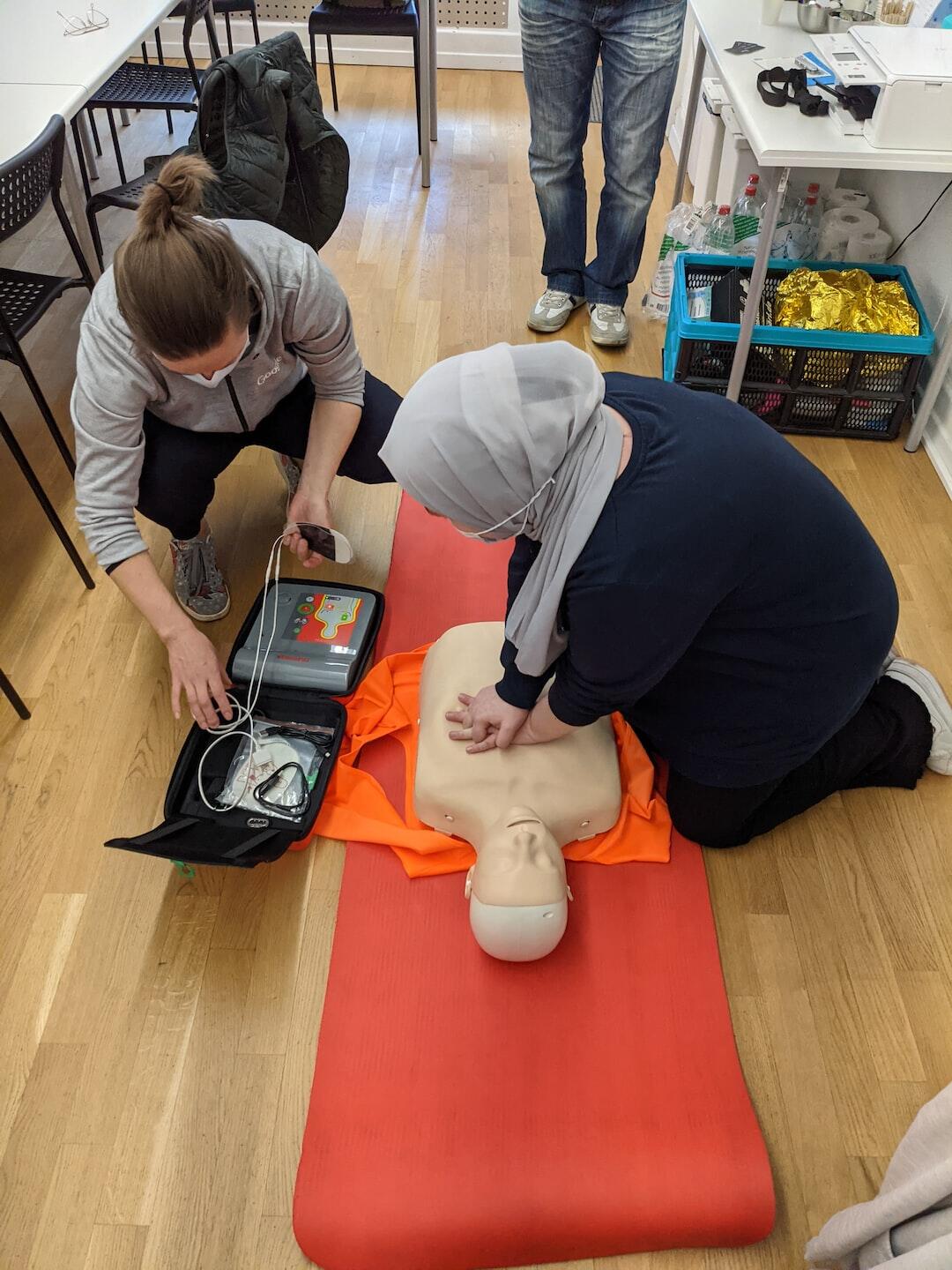
Cardiac emergencies can happen at any time. Quick action can save a life before medical help arrives. Many people feel unsure about what to do in those first critical minutes.
Learning basic CPR tips gives anyone the power to respond with confidence. Clear knowledge also reduces panic during an emergency. Simple techniques can keep blood and oxygen moving in the body until help arrives.
The following guide explains key CPR tips that everyone should know right now.
Check the Scene and the Person First
Always look at the surroundings before helping someone. A rescuer should never enter a dangerous situation. Make sure the area is safe for both the helper and the victim.
After that, gently tap the person and ask if they are okay. Speak loudly and clearly so they can hear you. If the person does not respond, call for help right away.
Ask someone nearby to contact emergency services if possible. If you are alone, call emergency services yourself before starting CPR if you can do it quickly. This first check helps confirm that CPR is truly needed.
Call for Emergency Help Immediately
Emergency services should be contacted as soon as possible. Quick medical response improves survival chances. If others are around, point to one person and ask them to call.
Clear direction prevents confusion in stressful moments. Put the phone on speaker mode if you must call while helping. This allows dispatchers to guide the process.
Follow any instructions given by emergency operators. They may walk you through the steps of CPR. Early communication with professionals is a critical step in saving a life.
Maintain the Correct Compression Rhythm
The rhythm of compressions is very important. Aim for about 100 to 120 compressions each minute. A steady pace helps keep blood flowing properly.
Press down firmly but allow full release between pushes. Avoid leaning on the chest between compressions. Continuous movement improves oxygen circulation in the body.
Try to keep interruptions very short if they happen. If another trained person is present, switch every two minutes to avoid fatigue. Strong and steady compressions are the heart of effective CPR.
Learn Basic Rescue Breathing
Rescue breathing may be used along with chest compressions. Tilt the head back slightly to open the airway. Lift the chin gently to allow air to pass through.
Pinch the nose closed before giving a breath. Seal your mouth over the person’s mouth and blow slowly. Watch for the chest to rise during the breath.
Give two breaths after every thirty compressions when trained to do so. Many people learn these steps through online training programs like MyCPR NOW. Training builds confidence and prepares people for real emergencies.
Learn Some Life-Saving CPR Tips
CPR tips can help save a life during an emergency. Simple knowledge can make a big difference in the first few minutes. Quick action helps keep oxygen moving in the body.
Anyone can learn these basic skills with practice. The steps are simple but very important.
Staying calm and acting fast can protect someone’s life. Learning CPR today prepares people to help when it matters most.
Should you wish to read more, visit our blog. We’ve got other topics!