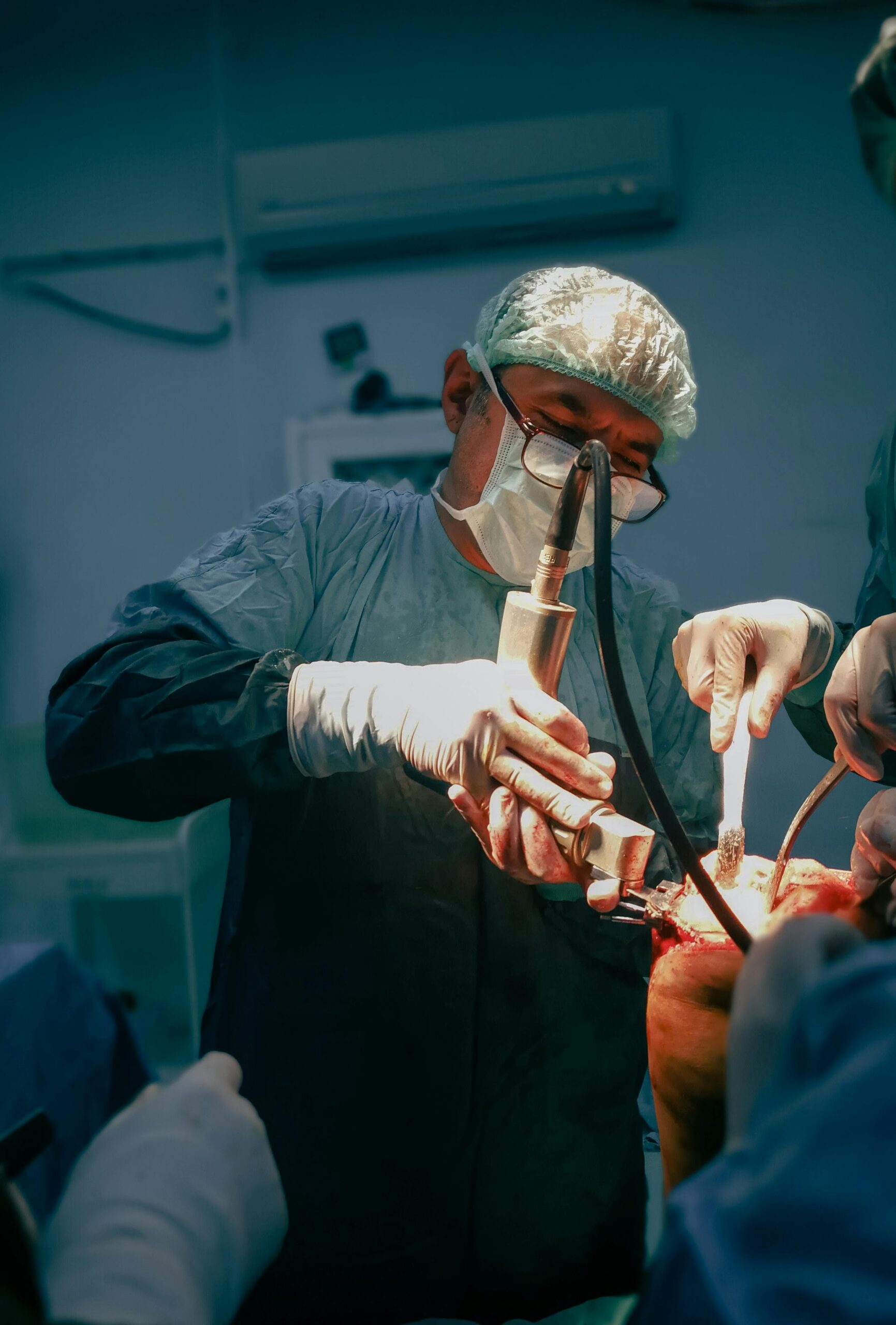
Ear surgery, also known as otoplasty, is a popular cosmetic procedure designed to improve the shape, position, or size of the ears. Whether you want to correct protruding ears, fix asymmetry, repair torn earlobes, or enhance facial balance, otoplasty offers natural-looking and long-lasting results with minimal downtime.
In this complete 2026 guide, you’ll learn everything about ear surgery, including the procedure, benefits, recovery timeline, risks, costs, and before-and-after results.
What Is Ear Surgery (Otoplasty)?
Ear surgery is a cosmetic surgical procedure that reshapes or repositions the ears to create a more balanced and proportionate appearance. Otoplasty can correct a variety of ear concerns, including:
- Protruding or prominent ears
- Uneven or asymmetrical ears
- Oversized ears (macrotia)
- Congenital ear deformities
- Torn, stretched, or damaged earlobes
Unlike many cosmetic procedures, ear surgery is suitable for both children and adults, making it an effective long-term solution for improved confidence and appearance.
Why Do People Get Ear Surgery?
Many people feel self-conscious about the appearance of their ears, especially if they noticeably stick out or appear uneven. Children may experience teasing or bullying, while adults often seek otoplasty to improve facial harmony and self-esteem.
Common Reasons for Ear Surgery
- Improve facial symmetry and balance
- Correct protruding ears
- Repair damaged or stretched earlobes
- Treat birth defects or ear injuries
- Boost self-confidence and emotional well-being
For many patients, ear surgery can significantly improve both appearance and quality of life.
Types of Ear Surgery Procedures
Understanding the different types of otoplasty procedures can help you choose the best treatment for your needs.
1. Ear Pinning Surgery
Ear pinning is the most common form of otoplasty. This procedure reshapes the ear cartilage and moves the ears closer to the head for a more natural appearance.
Best For:
- Prominent or protruding ears
2. Ear Reduction Surgery (Macrotia)
This procedure reduces the size of overly large ears while maintaining natural facial proportions.
Best For:
- Excessively large ears
3. Ear Reshaping Surgery
Ear reshaping corrects structural abnormalities caused by genetics, injury, or trauma.
Best For:
- Misshapen or deformed ears
4. Earlobe Repair Surgery
Earlobe repair restores torn, stretched, or gauged earlobes often caused by heavy earrings or accidents.
Best For:
- Split or stretched earlobes
Who Is a Good Candidate for Ear Surgery?
You may be a good candidate for otoplasty if you:
- Are unhappy with the appearance of your ears
- Have protruding or asymmetrical ears
- Are physically healthy
- Have realistic expectations
- Want permanent cosmetic improvement
Ear Surgery Age Requirements
Children can typically undergo ear surgery after the ears have fully developed, usually around ages 5–6. Adults of any age can also benefit from otoplasty.
Benefits of Ear Surgery
Ear surgery offers both cosmetic and emotional benefits.
Cosmetic Benefits
- Improved ear symmetry
- Better facial balance
- Natural-looking results
- Minimal visible scarring
Emotional Benefits
- Increased self-confidence
- Reduced self-consciousness
- Improved social comfort
Practical Benefits
- Permanent results
- Short recovery time
- Outpatient procedure
Ear Surgery Procedure: Step-by-Step
Understanding the otoplasty process can help reduce anxiety and prepare you for surgery.
Step 1: Consultation
Your surgeon will examine your ears, discuss your goals, and recommend the most suitable procedure.
Step 2: Anesthesia
Depending on the patient’s age and procedure type, the surgeon may use:
- Local anesthesia with sedation
- General anesthesia
Step 3: Incision
A small incision is typically made behind the ear to keep scars hidden.
Step 4: Cartilage Reshaping
The surgeon reshapes, folds, or removes cartilage to achieve the desired look.
Step 5: Sutures
Internal stitches secure the ears in their new position.
Step 6: Bandaging
Protective dressings are applied to support healing.
Procedure Duration:
Typically 1–2 hours
Surgery Type:
Outpatient procedure (same-day discharge)
Ear Surgery Recovery Timeline
Recovery after ear surgery is generally quick and manageable.
First 48 Hours
- Mild swelling and discomfort
- Bandages remain in place
- Rest is recommended
After 1 Week
- Bandages are removed
- Most patients return to work or school
After 2 Weeks
- Swelling significantly improves
- Ears begin settling into final shape
After 4–6 Weeks
- Full healing is typically complete
- Normal activities can resume
Ear Surgery Aftercare Tips
Following proper aftercare instructions is essential for optimal healing.
Important Recovery Tips
- Wear your protective headband as instructed
- Avoid sleeping on your ears
- Limit strenuous activities
- Keep incisions clean and dry
- Attend all follow-up appointments
Risks and Complications of Ear Surgery
Although otoplasty is considered safe, potential risks may include:
- Infection
- Bleeding
- Temporary numbness
- Minor asymmetry
- Scarring
- Rare need for revision surgery
Choosing an experienced and qualified surgeon significantly reduces these risks.
Ear Surgery Cost in 2026
The cost of ear surgery varies depending on several factors.
Average Otoplasty Cost
Ear surgery typically costs between $2,000 and $5,000 USD.
Factors Affecting Cost
- Surgeon’s experience
- Geographic location
- Type of procedure
- Facility fees
- Anesthesia costs
Some clinics may also offer financing plans or payment options.
Ear Surgery Before and After Results
Most patients notice a dramatic improvement in ear appearance after healing.
Expected Results
- Ears positioned closer to the head
- Improved symmetry
- More balanced facial appearance
- Minimal visible scarring
Results are generally permanent and highly satisfying for most patients.
Ear Surgery for Children
Otoplasty is commonly performed on children to prevent emotional distress and improve confidence early in life.
Benefits for Children
- Reduces bullying and teasing
- Improves self-esteem
- Faster healing compared to adults
The procedure is generally very safe when performed by a qualified surgeon.
Ear Surgery for Adults
Adults often choose ear surgery to address lifelong insecurities or repair ear damage.
Advantages for Adults
- Permanent cosmetic improvement
- Local anesthesia options
- Fast recovery time
- Natural-looking results
There is no upper age limit for otoplasty.
Non-Surgical Alternatives to Ear Surgery
While surgery offers the most effective and permanent results, some non-surgical options may help mild cases.
Ear Molding for Infants
A non-surgical technique used to reshape newborn ears during early development.
Temporary Cosmetic Solutions
- Hairstyles that cover the ears
- Ear correction clips
These options are temporary and less effective than surgery.
How to Choose the Best Ear Surgeon
Choosing the right surgeon is one of the most important steps for successful results.
Look for a Surgeon Who Has:
- Board certification
- Extensive otoplasty experience
- Before-and-after photo gallery
- Positive patient reviews
- Clear communication and realistic expectations
Always schedule a consultation before making your final decision.
How to Prepare for Ear Surgery
Preparation helps ensure a smoother recovery and better surgical outcome.
Before Surgery
- Stop smoking and alcohol consumption
- Avoid certain medications if advised
- Arrange transportation after surgery
- Follow all pre-operative instructions
Long-Term Results After Ear Surgery
With proper care, ear surgery results are usually permanent.
Long-Term Care Tips
- Protect ears from injury
- Attend follow-up visits
- Maintain a healthy lifestyle
Most patients only require one procedure for lifelong results.
Common Myths About Ear Surgery
Myth 1: Ear surgery is extremely painful
Fact: Most patients experience only mild discomfort.
Myth 2: Results look fake or unnatural
Fact: Modern otoplasty techniques create natural-looking results.
Myth 3: Only children can have ear surgery
Fact: Adults can benefit just as much from otoplasty.
Myth 4: Ear surgery leaves visible scars
Fact: Scars are usually hidden behind the ears.
Frequently Asked Questions About Ear Surgery
How long does ear surgery take?
Most procedures take approximately 1–2 hours.
Is ear surgery permanent?
Yes, otoplasty results are generally permanent.
When can I exercise after ear surgery?
Light activities are usually allowed after 2 weeks, while full exercise can resume after 4–6 weeks.
Does insurance cover ear surgery?
Insurance typically does not cover cosmetic otoplasty unless medically necessary.
Final Thoughts on Ear Surgery (Otoplasty)
Ear surgery is a safe, effective, and life-changing cosmetic procedure that can dramatically improve ear appearance and self-confidence. With minimal downtime, hidden scars, and permanent results, otoplasty remains one of the most rewarding facial cosmetic surgeries available today.
If you’re considering ear surgery, consult a qualified and experienced otoplasty specialist to discuss your goals and determine the best treatment plan for your needs.