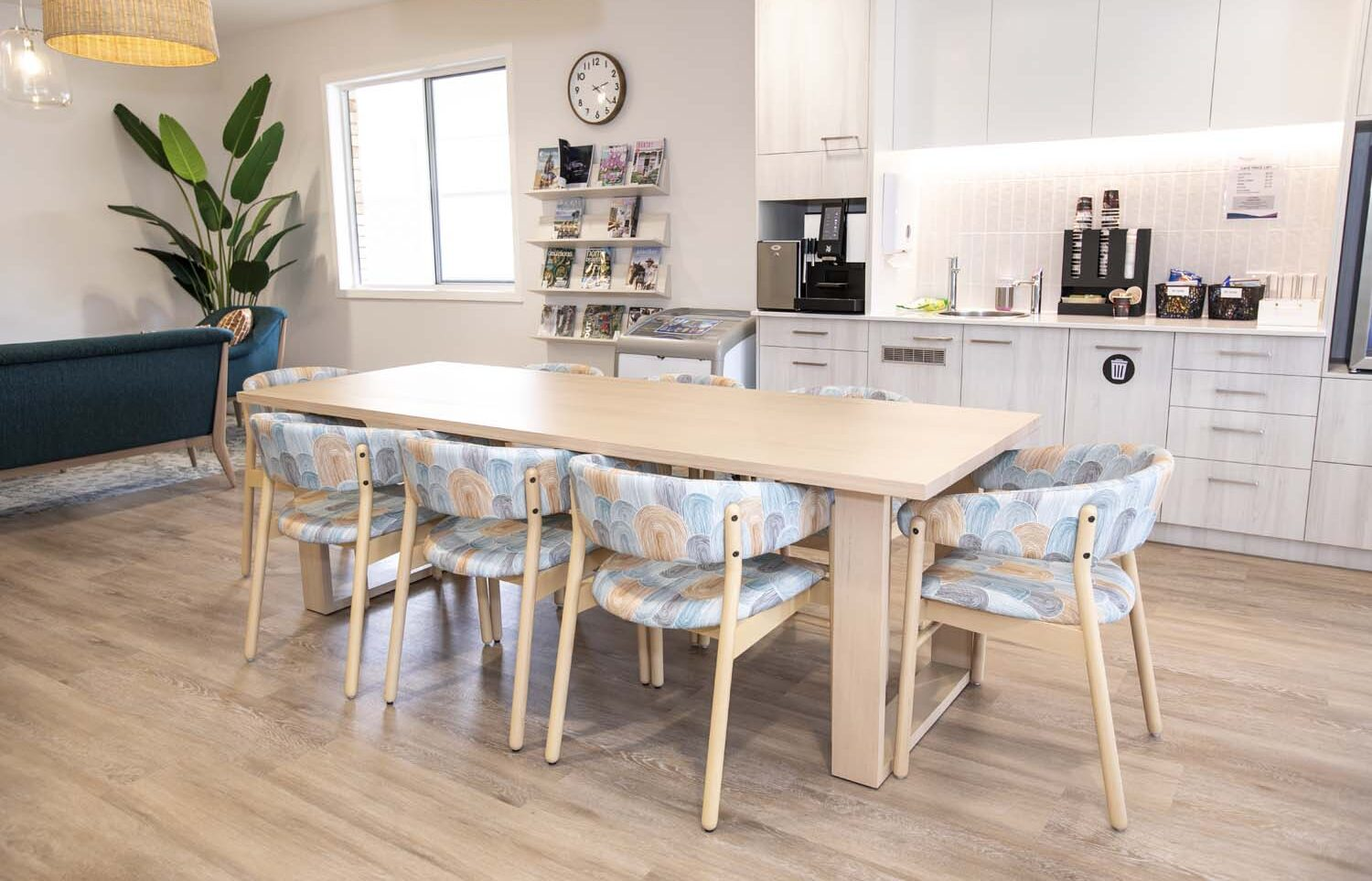
A well-designed dining room is far more than a place where residents gather for meals. In retirement homes and senior living communities, the dining area serves as a social hub that promotes independence, encourages interaction, and contributes significantly to residents’ overall well-being. Creating a functional dining room layout requires a careful balance of accessibility, comfort, safety, and aesthetics while meeting the operational demands of healthcare environments.
For facility managers, designers, and operators, thoughtful dining room planning plays a crucial role in enhancing resident satisfaction and supporting efficient daily operations.
Why Dining Room Layout Matters in Retirement Homes
The dining experience directly influences residents’ quality of life. A poorly planned layout can create mobility challenges, increase fall risks, and make mealtimes stressful for both residents and staff.
Conversely, a well-organized dining space encourages social engagement, supports independence, and contributes to the broader goal of making environments feel like home. When residents feel comfortable and welcome during meals, they are more likely to participate in community activities and maintain healthier eating habits.
Prioritizing Accessibility and Mobility
1: Ensure Clear Pathways
One of the most important considerations in retirement home dining design is providing adequate circulation space. Residents often use wheelchairs, walkers, or mobility aids that require wider pathways than traditional dining environments.
Clear routes between tables, serving stations, and exits help minimize congestion and allow residents to move confidently throughout the space. Furniture placement should never obstruct primary walking paths or emergency access points.
2: Support Independent Movement
Dining layouts should empower residents to navigate the space with minimal assistance. Strategic placement of tables and seating helps reduce unnecessary movement while maintaining accessibility for caregivers when support is needed.
Selecting furniture with stable construction and ergonomic design further improves safety and ease of use.
Choosing the Right Seating Configuration
1: Balance Social Interaction and Privacy
Different residents have different social preferences. Some enjoy larger group settings, while others prefer quieter dining experiences.
A functional layout typically includes a mix of seating arrangements, such as:
- Small tables for two to four residents
- Medium-sized group tables
- Flexible seating areas for family visits
- Multi-purpose spaces for special events
This variety creates opportunities for meaningful social interaction without overwhelming residents who prefer more intimate settings.
2: Focus on Comfort and Support
Dining chairs in senior living environments must offer more than visual appeal. Proper seat height, supportive armrests, and ergonomic backrests help residents sit comfortably and stand safely.
High-quality healthcare furniture manufacturers prioritize durability while ensuring furniture remains comfortable for extended use. Chairs designed specifically for aged care environments can significantly improve the dining experience while reducing physical strain.
Optimizing Table Placement for Functionality
1: Create Logical Zones
Dividing the dining room into functional zones improves organization and operational efficiency. For example, separate areas can be designated for independent residents, assisted dining programs, and private family gatherings.
This zoning approach helps staff provide personalized support while maintaining a calm and welcoming atmosphere.
2: Avoid Overcrowding
Maximizing seating capacity should never come at the expense of comfort or accessibility. Overcrowded dining rooms can increase noise levels, hinder mobility, and create unnecessary stress.
Adequate spacing between tables allows residents and caregivers to move freely while maintaining a pleasant dining environment.
Enhancing Safety Through Smart Design
- Select Durable, Healthcare-Grade Furniture
Retirement home furniture must withstand frequent use while maintaining safety standards. Durable materials reduce maintenance requirements and provide long-term value for operators.
Tables and chairs should feature stable construction, smooth edges, and easy-to-clean surfaces that support infection control protocols commonly required in healthcare and aged care settings.
- Reduce Fall Risks
Floor plans should minimize potential hazards by eliminating tight corners, cluttered pathways, and unstable furniture arrangements.
Furniture selection also plays a role. Chairs with armrests and secure footing provide additional support for residents during sitting and standing movements, helping reduce the likelihood of accidents.
Creating a Warm and Inviting Atmosphere
Incorporate Residential Design Elements
While functionality is essential, dining rooms should avoid feeling overly institutional. Warm finishes, comfortable seating, and thoughtfully selected furniture contribute to a welcoming atmosphere.
These design choices align with the broader objective of making environments feel like home, helping residents feel more relaxed and emotionally connected to their surroundings.
Support Community Engagement
Dining rooms often host celebrations, family visits, and community activities beyond regular mealtimes. Flexible furniture arrangements allow spaces to adapt to changing needs while preserving comfort and accessibility.
Multi-functional layouts help retirement homes maximize the value of communal areas while fostering stronger social connections among residents.
Partnering with Experienced Furniture Manufacturers
The success of a retirement home dining room depends heavily on the quality of its furnishings. Specialized senior living furniture manufacturers understand the unique requirements of aged care environments, including durability, infection control, ergonomic support, and long-term performance.
Investing in purpose-built healthcare furniture ensures that dining spaces remain attractive, functional, and safe throughout years of daily use. This approach not only improves resident experiences but also reduces operational costs associated with repairs and replacements.
Conclusion
Creating a functional dining room layout in retirement homes requires thoughtful planning that prioritizes accessibility, safety, comfort, and operational efficiency. By combining strategic space planning with durable, senior-focused furniture solutions, operators can create dining environments that support independence, encourage social interaction, and enhance resident well-being. Ultimately, successful dining room design contributes to a more welcoming community atmosphere while advancing the essential goal of Making environments feel like home for every resident.