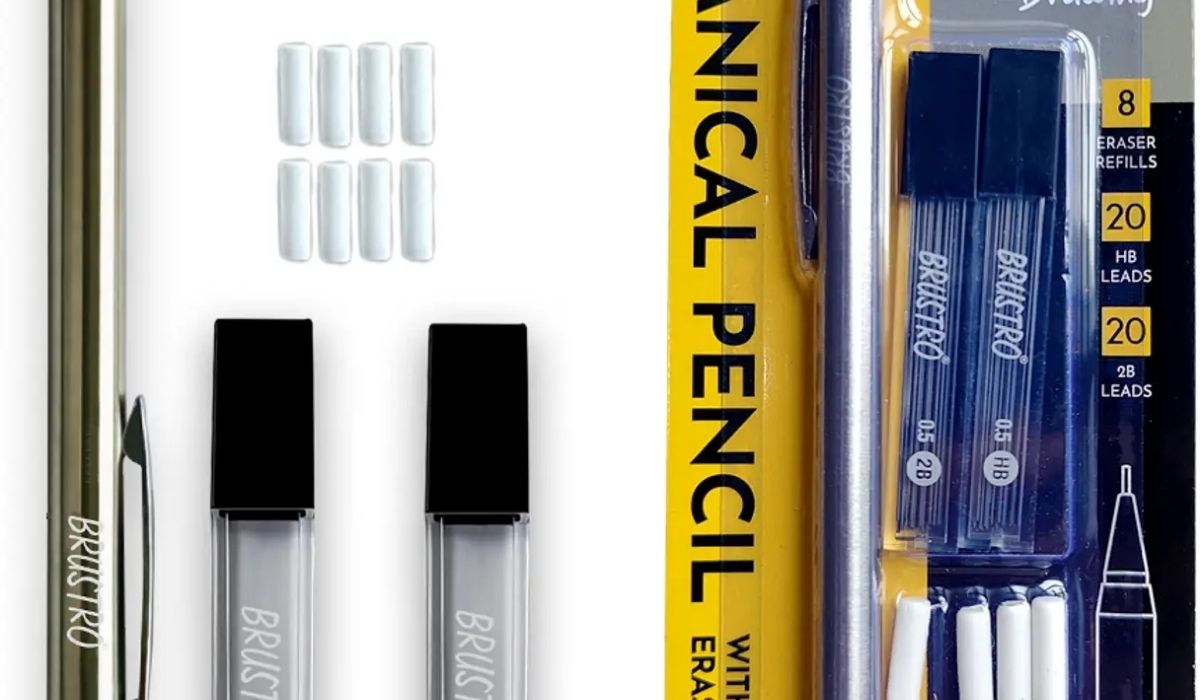
A mechanical pencil represents a pinnacle of writing instrument engineering, offering a consistent line width and unmatched convenience. Unlike traditional wooden counterparts, this tool utilizes a complex internal mechanism to advance thin leads, eliminating the need for frequent sharpening. Whether used by students, professional architects, or avid illustrators, it has become an essential staple in modern creative and educational environments. By combining sleek ergonomics with precise lead delivery systems, the mechanical pencil continues to be a favored tool globally, bridging the gap between historical writing traditions and the high-demand requirements of contemporary technical and artistic precision tasks.
| Quick Bio | Details |
| Tool Type | Writing and Drafting Instrument |
| Core Mechanism | Ratchet-and-clutch (most common) |
| Common Lead Sizes | 0.3mm, 0.5mm, 0.7mm, 0.9mm |
| Primary Benefits | No sharpening, consistent lines, durability |
| Industry Trend | Shift toward sustainable and refillable designs |
A Historical Overview of the Invention
The development of the mechanical pencil traces back to the 19th century, marking a significant departure from traditional graphite-encased wood. In 1822, British inventors Sampson Mordan and John Isaac Hawkins patented the first reliable model, which utilized a lead-propulsion mechanism. This breakthrough allowed users to extend graphite as it wore down, fundamentally changing writing efficiency. Over the decades, these designs evolved from clunky, metallic curiosities into the refined tools we recognize today. This historical progression highlights a human obsession with precision and convenience, cementing the importance of the mechanical pencil as a revolutionary advancement in global communication.
Understanding the Core Advancement Mechanism
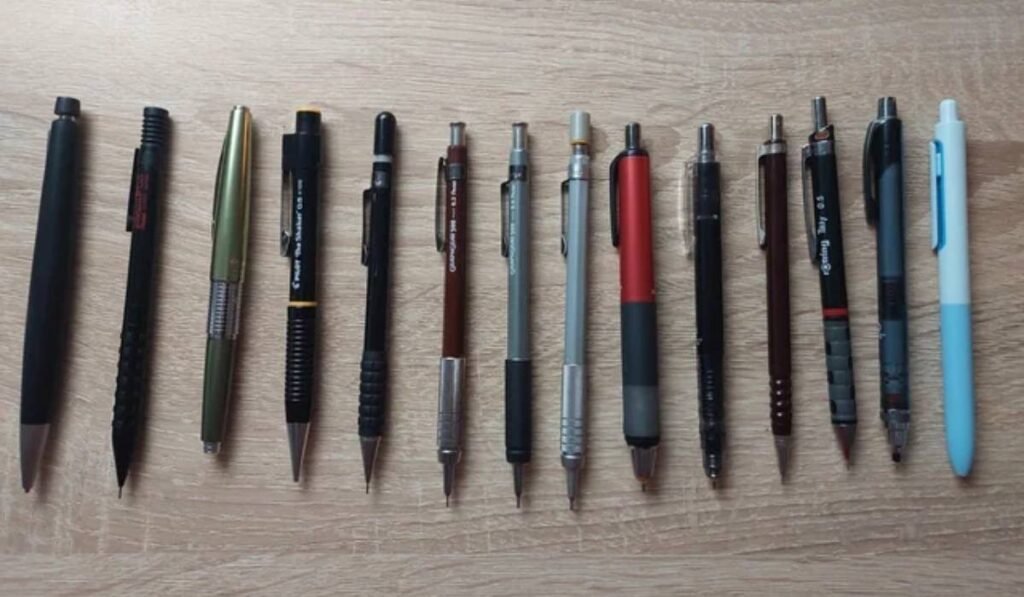
At the heart of every mechanical pencil lies a sophisticated propulsion system designed for smooth, reliable lead advancement. The most prevalent design is the ratchet-and-clutch mechanism, which utilizes spring-loaded jaws to grip the graphite core firmly. When a user presses the top plunger, an internal rod moves downward, forcing the clutch to open and releasing the lead for adjustment. Upon release, the spring snaps the clutch back into place, securing the lead against the paper. This intricate sequence ensures that each click advances exactly the right amount of graphite, preventing unnecessary breakage during intense work.
Exploring Common Lead Sizes and Applications
Selecting the correct lead size is crucial for maximizing the effectiveness of your mechanical pencil. Standard 0.5mm leads are the most popular choice for everyday writing, offering a perfect balance between durability and line clarity. For those requiring extreme detail, 0.3mm options provide surgical precision for small notes or complex technical drawings. Conversely, 0.7mm and 0.9mm leads are preferred by artists and students who apply more pressure, as these thicker cores are significantly more resistant to snapping. Understanding these variations allows users to tailor their equipment to specific professional or creative requirements with high success.
The Versatility for Professional Architects
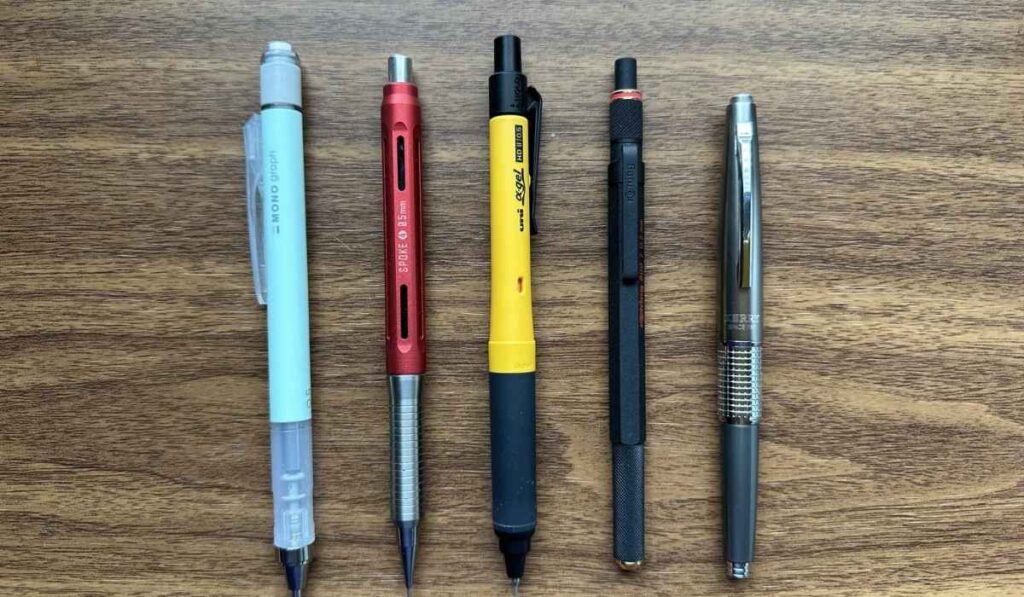
For professionals in architecture and engineering, the mechanical pencil is an indispensable asset for drafting. Unlike wooden pencils, which lose their point and change line thickness as they wear, these tools maintain a constant line width throughout a project. This consistency is essential for blueprints and technical sketches where precision is non-negotiable. Many architectural-grade models feature metal bodies and specialized guide pipes that protect the lead, ensuring that every stroke remains uniform. By providing a stable, predictable performance, the mechanical pencil serves as a reliable backbone for the intricate planning required in modern building and design sectors.
Benefits for Students and Academic Success
Students benefit immensely from the reliability of the mechanical pencil during long study sessions and examinations. Because these tools never require a sharpener, there is no risk of losing valuable time or causing distractions during tests. The consistent line output also ensures that mathematical calculations and scientific diagrams remain clean and legible, which is vital for academic success. Furthermore, the ability to refill the lead reservoir means that a single well-maintained pencil can last through an entire academic year, proving to be a cost-effective and highly practical investment for students at all education levels worldwide.
Why Artists Prefer Mechanical Precision
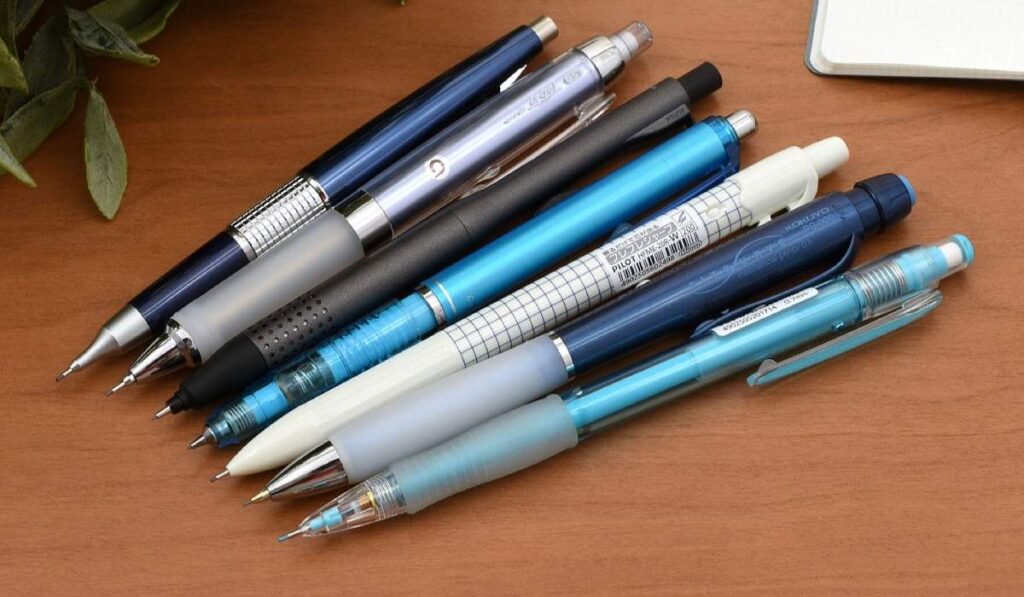
Professional illustrators often favor the mechanical pencil for its ability to deliver repeatable, fine lines that are difficult to achieve with standard graphite. The stable lead advancement allows for controlled shading and intricate detailing, making it ideal for everything from comic book penciling to hyper-realistic portraiture. Advanced artists frequently use multiple pencils with varying lead hardness grades—from H for light outlines to 2B for dark shading—to add depth to their work. This level of control makes the humble mechanical pencil a versatile instrument capable of producing gallery-quality art with remarkable consistency and technical accuracy.
The Impact of Ergonomics on Comfort
Modern design has prioritized user comfort, leading to the creation of ergonomic mechanical pencil models that reduce strain during extended use. Many manufacturers now incorporate soft-touch rubber grips, textured metal surfaces, and optimized weight distribution to prevent hand fatigue. These design choices are particularly important for professionals and students who spend several hours daily engaged in writing or drawing tasks. By aligning the center of gravity and minimizing the pressure required to hold the pen, companies have successfully transformed the mechanical pencil into a tool that supports health and productivity, minimizing the risk of repetitive strain injuries.
Sustainability and the Refillable Future
Environmental consciousness has significantly influenced the mechanical pencil industry, pushing brands toward more sustainable production methods. Unlike disposable wooden pencils that are discarded after use, the mechanical pencil is designed for longevity and infinite refilling. This shift reduces the demand for cedar wood and minimizes waste, aligning with broader consumer desires for eco-friendly stationery. In 2026, many manufacturers are introducing models crafted from recycled plastics and metals, ensuring that our daily writing habits have a lower environmental impact while maintaining the high quality and performance that users have come to expect.
Comparing Ratchet-Based and Twist Models
Not all lead-advancement systems are identical, as users can choose between various functional designs. The ratchet-based pencil is the industry standard, known for its quick, one-click operation. In contrast, twist-based mechanisms offer a more deliberate, controlled advancement, often found in luxury or drafting-specific instruments. Twist models are particularly popular for lead holders, which accommodate thicker graphite cores for sketching. Understanding the difference between these systems helps users choose the best tool for their specific workflow, whether they prioritize the rapid speed of a ratchet click or the tactile, granular control of a twist-operated pencil.
The Role of Shaker-Style Pencils
Shaker-style mechanical pencils offer a unique and convenient way to advance lead without moving your grip from the writing position. By containing an internal weighted mechanism, these pencils extend the graphite with a simple flick of the wrist. This feature is a favorite among journalists and busy professionals who need to maintain focus while writing. While they require a bit of habit-building to master the motion, they provide an uninterrupted flow that is difficult to replicate with traditional push-button models. This innovative approach to usability highlights the creative engineering currently pushing the boundaries of traditional writing tools.
Material Choices: Plastic vs. Metal Bodies
The material of the pencil body impacts both durability and aesthetic appeal. Entry-level plastic mechanical pencil models are lightweight and affordable, making them perfect for students and casual daily use. However, for those seeking a premium feel and superior longevity, metal-bodied versions are the gold standard. Aluminum, brass, and stainless steel construction provides a balanced heft that can improve stability for precise line work. While metal models carry a higher price point, their ability to withstand the rigors of daily wear and tear makes them a wise long-term investment for serious writers and professional artists alike.
The Importance of Guide Pipe Durability
The guide pipe, or lead sleeve, is a critical component that supports the lead and prevents it from snapping during contact with paper. High-quality pencils often feature a fixed, sturdy guide pipe for maximum stability, while others offer retractable sleeves to protect the tip during transport in a pocket or bag. For technical drafters, the length and rigidity of the guide pipe are paramount for maintaining accuracy alongside a ruler or stencil. By carefully selecting a model with a durable guide pipe, users can significantly extend the lifespan of their writing instrument and improve their overall precision.
Customizing Your Lead Hardness
One of the most powerful features of using a mechanical pencil is the ability to swap lead grades easily. By utilizing various hardness levels, such as 2H for light drafting or 4B for soft, dark sketching, users can expand the range of their work significantly. Many professionals maintain a “pencil kit” containing different pencils loaded with specific leads, allowing them to switch between tasks instantly. This versatility is unmatched by wooden pencils, which are often limited to a single graphite grade, making the refillable nature of the mechanical pencil a massive advantage in any professional artistic workspace.
Advanced Features: Anti-Breakage Technology
In recent years, engineers have developed innovative anti-breakage systems for the mechanical pencil to address the frustration of snapping leads. Technologies like those found in the Zebra DelGuard or Pentel Orenz use internal springs to absorb excess pressure, retracting the lead when too much force is applied. These systems are a game-changer for students and writers who have a heavy hand. By protecting the lead from lateral pressure and vertical force, these advanced mechanical pencils ensure a frustration-free experience, allowing users to focus entirely on their work rather than on managing the delicate nature of thin graphite.
Industry Market Trends in 2026
The market for the mechanical pencil is currently experiencing a period of significant growth, driven by the ongoing demand for high-quality stationery in STEM education and professional design fields. Market analysts suggest that the sector will continue to expand as more users gravitate toward durable, refillable tools over disposable alternatives. Premiumization is a major trend, with manufacturers releasing limited-edition metal pencils and hybrid designs that cater to collectors. This upward trajectory reflects a renewed appreciation for tangible, high-performance tools in an increasingly digitized world, ensuring the industry remains vibrant and innovative throughout the coming decade.
Maintaining Your Instrument for Longevity
Proper maintenance of a mechanical pencil is key to ensuring it remains functional for years. Regular cleaning of the lead reservoir prevents blockages, while occasional checks of the clutch mechanism ensure that lead continues to advance smoothly. If the pencil becomes jammed, it is often due to small lead fragments; using a clearing rod or a thin wire can easily fix the issue. Treating the tool with care, such as storing it in a protective case, will also prevent the guide pipe from bending, preserving the precision that makes your mechanical pencil a reliable partner for your creative projects.
Why Digital Tools Haven’t Replaced Pencils
Despite the rise of tablets and digital styluses, the mechanical pencil remains irreplaceable in many creative and educational environments. The tactile feedback of graphite on paper provides a sensory experience that digital screens cannot replicate. Furthermore, the lack of reliance on batteries or software updates makes it a permanent, always-ready tool. Whether in the sketching phase of an animation project or the early conceptualization of a new engineering build, the immediacy and simplicity of a mechanical pencil ensure it will stay relevant alongside its modern digital counterparts, providing a grounded alternative for generations of thinkers.
Exploring Colored Lead Options
While graphite is standard, many users are exploring the world of colored leads for their mechanical pencil. These vibrant alternatives are perfect for annotating documents, color-coding notes, or adding accents to sketches. While colored leads are typically made from a polymer blend rather than pure graphite, they are easily erased and compatible with many standard pencils. This flexibility turns the pencil into a multi-purpose creative asset, allowing students and artists to bring color into their workflow without the need for carrying bulky packs of crayons or markers, simplifying their creative toolkit while boosting productivity.
Future Innovations in Writing Design
The future of the mechanical pencil looks bright as designers continue to experiment with materials and smart integration. We are seeing a shift toward modular pencils where grips and lead-advancement mechanisms can be swapped based on the user’s preference. Additionally, some prototypes are incorporating haptic feedback to signal when lead is running low. As we move further into 2026, the focus remains on enhancing the user experience, making writing more comfortable, sustainable, and personal. These ongoing advancements ensure that this humble tool continues to evolve, maintaining its status as a vital instrument for human expression and professional excellence worldwide.
Concluding Thoughts on the Mechanical Pencil
The mechanical pencil is more than just a writing implement; it is a testament to the enduring value of precision engineering. Its evolution from an 18th-century prototype to a high-tech tool underscores our commitment to efficiency, quality, and sustainable design. By providing a consistent, clean, and reliable experience, it empowers individuals to create, learn, and draft with confidence. Whether you are a student, an artist, or a professional, this instrument remains a classic choice for those who value performance.
- What is the main advantage of a mechanical pencil?
- It eliminates the need for frequent sharpening and provides a consistent line width for writing or drawing.
- How do you advance the lead in a mechanical pencil?
- Most use a ratchet-and-clutch system where a button or plunger is pressed to release the clutch and advance the lead.
- What lead size is best for general writing?
- A 0.5mm lead is widely considered the standard for most everyday writing and journaling tasks.
- Are mechanical pencils eco-friendly?
- Yes, they are reusable and reduce wood waste because you only replace the lead, not the entire pencil.
- Can you use colored lead in a mechanical pencil?
- Yes, many mechanical pencils support colored polymer leads for marking, sketching, or color-coding notes.