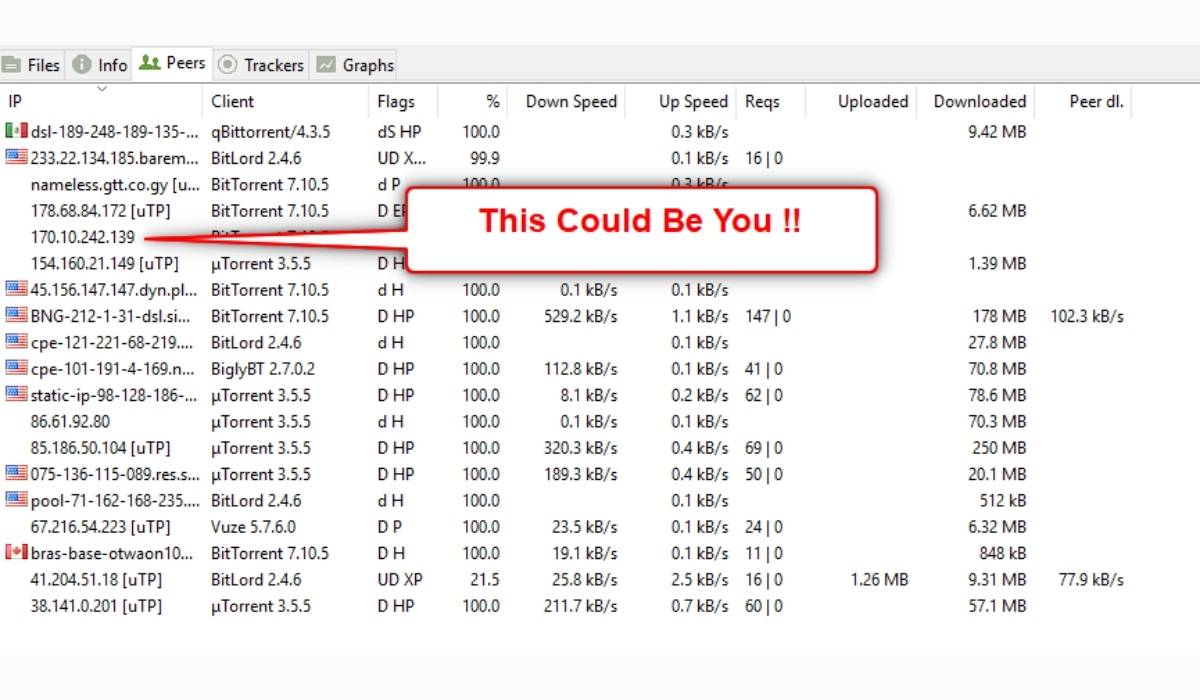
In the expansive ecosystem of digital file sharing, torrent trackers serve as the silent coordinators of data movement. When you initiate a download using the BitTorrent protocol, your computer does not immediately connect to a singular, central host. Instead, it enters a “swarm” of users—peers—all sharing pieces of a specific file. A torrent tracker acts as the intermediary directory for this swarm. It keeps a real-time list of all users currently connected, recording which pieces of the file each user possesses and facilitating the initial connections required for your client to begin the actual peer-to-peer transfer process.
| Feature | Details |
| Primary Function | Managing peer connections in a swarm |
| Protocol Used | BitTorrent (HTTP/UDP-based) |
| Tracker Types | Public and Private |
| Role in P2P | Connecting seeders to downloaders |
| Key Metrics | IP addresses, ports, and file piece availability |
| Evolution | Shift toward DHT and Peer Exchange (PeX) |
The Definition of a Torrent Tracker
At its core, a tracker is a specialized server that understands the BitTorrent protocol. It does not actually store or host the files being shared. Instead, its job is purely administrative. When a client software opens a torrent file, it contacts the URL specified as the “announce” link. The tracker then records your IP address and port, responding with a list of other active peers who are currently participating in the same file transfer. This allows your software to reach out to those peers and start downloading or uploading fragments of the data directly from their hardware.
How Trackers Facilitate Peer Discovery
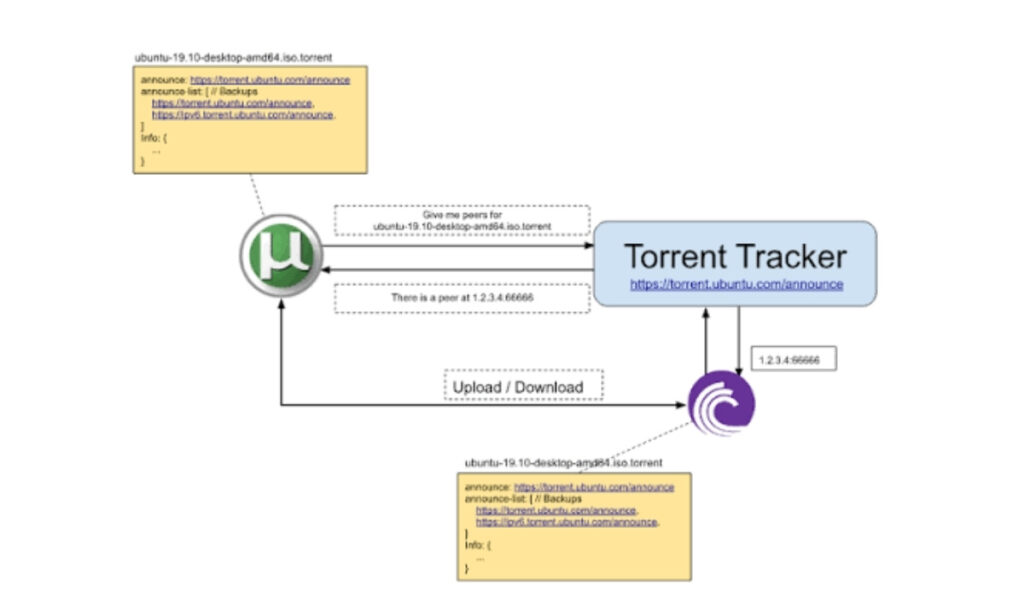
Without a tracker, your computer would have no way of knowing where to find the data it needs. Think of the tracker as a specialized phonebook for the swarm. When you join the network, you introduce yourself to the tracker and ask, “Who else has parts of this specific file?” The tracker consults its registry and hands you a list of active participants. This discovery phase is crucial because it ensures your client software has a robust list of potential partners to initiate the peer-to-peer handshake, making the start of your download process significantly faster and more reliable.
Public Versus Private Trackers
The ecosystem is generally divided into two main categories: public and private trackers. Public ones are open to anyone on the internet, requiring no authentication or registration. While convenient, they are often less organized and more prone to being monitored by anti-piracy groups or hosting malicious files. Private trackers, on the other hand, require a user account and are often accessible only via invitation. These communities enforce strict “ratio” rules, where users are required to upload at least as much data as they download, which typically results in better speeds and higher-quality, safer content for members.
The Role of Seeders and Leechers
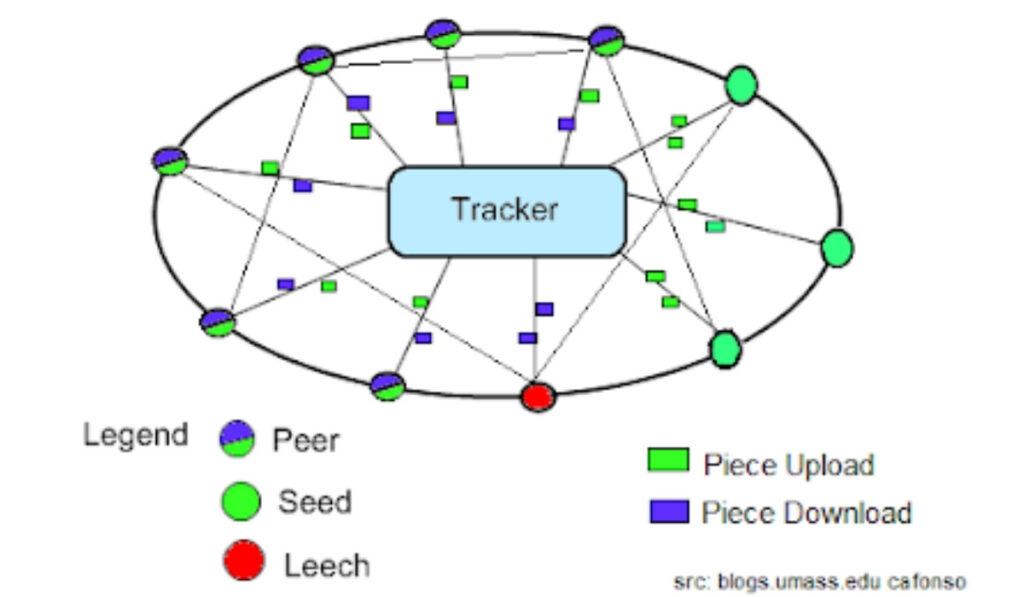
Every swarm is made up of two types of users: seeders and leechers. A seeder is a user who has already downloaded 100% of the file and is now exclusively uploading it to others. A leecher, also known as a peer, is still in the process of downloading the file. torrent trackers The tracker tracks the status of these participants constantly. By understanding who has completed the file and who is still missing pieces, the tracker helps optimize the flow of data. It ensures that the swarm remains active and that users can always find someone to trade pieces with.
Why Trackers Are Not Always Necessary
Modern technology has evolved beyond the absolute need for centralized trackers. Many contemporary BitTorrent clients use a technology called Distributed Hash Tables (DHT). DHT allows clients to find peers by communicating with each other rather than relying torrent trackers on a single central server. Additionally, Peer Exchange (PeX) allows peers to share their own lists of known users with one another. While trackers are still widely used because they provide the fastest and most efficient way to discover a large number of peers instantly, DHT and PeX provide excellent redundancy if the primary tracker server goes offline or becomes unreachable.
Improving Download Speeds with Trackers

If you have ever experienced a “stuck” torrent, you might have been advised to “add more trackers.” This technique works because it provides your torrent client with more sources to query for peer addresses. By increasing the number of trackers your software contacts, you effectively increase the number of potential connections your computer can form. More connections mean more people to download from, which generally translates to higher overall transfer speeds. This is especially helpful for rare files or older torrents where the original seeders might be infrequent or slow to respond to initial requests.
The Engineering Behind the Protocol
The engineering behind the tracker protocol is deceptively simple. It uses an “announce” mechanism where clients periodically report their status to the server. This status includes how much data the client has uploaded, how much it has downloaded, and how much torrent trackers is still “left” to complete. The tracker processes this information and updates its internal tables. This metadata exchange—conducted using “Bencoding” formats—ensures that the entire swarm remains synchronized. Despite being a relatively simple system, it is this level of coordination that allows BitTorrent to handle millions of simultaneous users without needing a massive, central supercomputer to host all the files.
Privacy and Anonymity Concerns
One of the most significant drawbacks of using public trackers is the lack of inherent privacy. Because your IP address is shared with the tracker and subsequently distributed to all other peers in the swarm, your identity and location are essentially visible to everyone else participating in the download. This is why many users opt for Virtual Private Networks (VPNs) when torrenting. A VPN hides your true IP address from the torrent trackers tracker and other peers. If you are concerned about privacy, remember that public trackers are fundamentally designed for open access, meaning you are essentially broadcasting your digital footprint to the entire network.
The Concept of Swarm Intelligence
The swarm itself acts as a living network. As more users join to download a file, the capacity of the network actually increases because every new downloader also becomes an uploader. This “swarm intelligence” is what makes torrenting so efficient for distributing massive files. The tracker is the catalyst for this intelligence, providing the initial “seeds” of connectivity that allow the swarm to grow organically. As the swarm grows, torrent trackers the tracker’s job becomes easier because there are more peers available to facilitate communication, leading to a robust, self-sustaining network that can distribute files across the globe without central server strain.
Managing Ratio Requirements
On private trackers, managing your “ratio” is a fundamental responsibility. A ratio is calculated by dividing your total uploaded data by your total downloaded data. To maintain your account, you must keep this number above a certain threshold, usually 1.0. torrent trackers This system is designed to combat “leeching” or “free-riding,” where users download files and disconnect immediately without contributing back to the network. By enforcing these rules, private communities ensure that torrents stay “alive” for years, creating sustainable archives of rare or high-quality content that would otherwise disappear from the public internet.
Security Risks in Torrent Ecosystems
Security is a major consideration, particularly on public platforms. Because the tracker only connects you to other peers, it has no way of verifying the integrity or safety of the data you are downloading. Malicious actors sometimes upload fake torrents containing malware,torrent trackers viruses, or ransomware. Always verify the reputation of the uploader, read user comments, and be skeptical of executable files like .exe or .bat extensions. A tracker can connect you to the file, but it cannot protect you from a bad file. Treat downloaded torrents with the same caution you would apply to any file from the internet.
The Evolution of Tracker Technology
Over the last two decades, the tracker has evolved from a simple directory server into a highly optimized communication node. The introduction of the “compact” extension in the protocol allowed for much more efficient responses, reducing the bandwidth required for the tracker to inform torrent trackers clients about available peers. Furthermore, the integration of IPv6 support ensures that trackers remain relevant as the internet shifts toward new addressing standards. This constant evolution is why the BitTorrent protocol remains one of the most efficient methods for distributing large datasets, such as operating system images, across the global internet infrastructure today.
Troubleshooting Common Tracker Errors
If your torrent client displays a “tracker error” or “offline” status, it usually means your software cannot reach the tracker server or the server is no longer operational. In these instances, you can often manually edit the torrent properties to add alternate tracker URLs. Many online torrent trackers communities maintain updated “tracker lists” that are refreshed regularly. If the original tracker is down, torrent trackers these backups can often save your download by providing new peer addresses. It is a simple administrative task that can instantly revive a stalled download and get you back to reaching 100% completion.
The Role of Magnet Links
Magnet links have largely superseded traditional .torrent files for many users. torrent trackers A magnet link does not rely on a static file hosted on a website; instead, it uses a unique hash identifier to locate the file via DHT and other decentralized methods. torrent trackers Even when using magnet links, your client still often consults trackers to find the initial peers. Think of a magnet link as a “key” that fits the lock of the swarm. Once you have the key, the tracker helps you find the door, but the swarm itself handles the rest of the file transfer process seamlessly.
Understanding Torrent “Announce” URLs
When you view the details of a torrent in your client, you will see a list of “Announce” URLs. torrent trackers These are the addresses of the trackers associated with that specific torrent. You can add, remove, or edit these URLs at any time. When you add a new URL, your client sends a new “announce” request to that server. If the server is active, it will send back a list of peers. This is the primary mechanism for manually “refreshing” a torrent’s connection pool, making it a very powerful tool for users who want to optimize their download efficiency and speeds.
Legal and Ethical Considerations
Torrenting itself is a technology, not a crime. It is widely used for legal purposes, such as distributing Linux distributions, open-source software, and public domain cultural works. However, because trackers facilitate the sharing of content, they often find themselves in the legal crosshairs if they index copyrighted material. Users should always ensure they have the right to download the content they are seeking. torrent trackers Understanding the legal status of the material is the user’s responsibility, and using a tracker to download unlicensed, protected media can result in significant legal consequences depending on your local jurisdiction and ISP policies.
Community Culture on Private Sites
Private tracker sites often develop a unique culture. Because access is limited, these communities tend to have very high standards for file quality, metadata tagging, and user behavior. Some trackers focus exclusively on niche genres like classic cinema, rare electronic music, or obscure academic books. torrent trackers Becoming a member of such a site is often compared to joining an exclusive club. Users share knowledge, torrent trackers participate in forums, and maintain the integrity of their library. For the dedicated user, these sites offer a level of curation and archival quality that is simply unavailable on the broader, public-facing web.
The Future of Decentralization
As internet censorship and surveillance increase, the importance of decentralized systems like DHT and P2P trackers will likely grow. The BitTorrent protocol represents a foundational technology for a more resilient web. Even if a centralized tracker is taken down, the decentralized nature of the swarm—powered by DHT and PeX—ensures that the data remains available. Trackers are just one piece of a much larger puzzle, torrent trackers but their ability to coordinate thousands of users in real-time remains a marvel of network engineering that continues to power one of the most efficient file-sharing systems ever created in the digital age.
Summary of Tracker Utility
To summarize, torrent trackers are the essential navigators of the BitTorrent protocol. By acting as a centralized registry for a decentralized network, they bridge the gap between people who have data and people who want it. Whether you are using a public tracker to download a large software update or torrent trackers contributing to the longevity of a rare film on a private tracker, these servers ensure that the P2P ecosystem functions smoothly. torrent trackers While decentralized methods like DHT provide excellent backups, the speed and efficiency offered by a well-maintained tracker ensure that they remain a cornerstone of the internet’s file-sharing infrastructure.
Final Perspective on Torrenting
Understanding the mechanics of trackers empowers you to use torrents more effectively and safely. As you navigate the P2P world, remember to practice good hygiene: use a VPN, respect ratio requirements on private sites, and always verify the integrity of your files. Technology is only as good as the community that uses it. By contributing your upload bandwidth to the swarm, you help sustain the ecosystem for others. For more torrent trackers information on the history and technical standards of this protocol.
5 FAQs About What Are Torrent Trackers:
- What is the primary purpose of a torrent tracker?
- Its purpose is to act as a directory, helping your torrent client find other users (peers) who have the file you want to download.
- Is a tracker necessary to download a file?
- Not always; decentralized methods like DHT and Peer Exchange can often find peers, but trackers are usually faster and more efficient.
- What is the difference between a seeder and a leecher?
- A seeder has 100% of the file and is sharing it, while a leecher is still downloading and sharing the parts they have.
- Why do private trackers require registration?
- They require registration to enforce rules like upload/download ratios, ensuring the community remains healthy and high-quality.
- Are torrent trackers safe to use?
- Trackers themselves are just servers, but they can link you to malicious files; always use common sense, reputable sites, and a VPN.