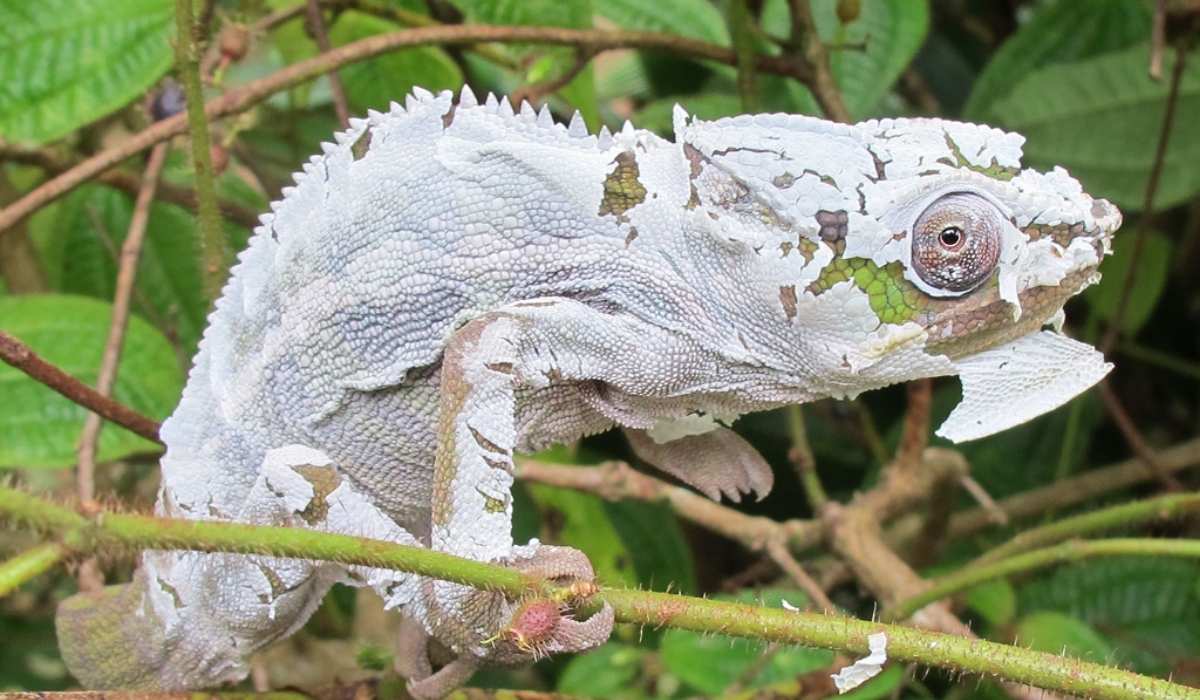
Chameleónovité, commonly referred to as chameleons, belong to the family of reptiles that have captured human fascination for centuries. They are best known for their unique ability to change color, a trait that serves multiple purposes such as communication, thermoregulation, and camouflage. These reptiles are primarily found in Madagascar, Africa, and parts of Asia, though some species have spread to Europe and the Middle East. Their evolutionary adaptations make them not only interesting subjects of study but also remarkable examples of nature’s ingenuity. Understanding the behavior, habitat, and physiology of Chameleónovité provides insight into how these creatures thrive in their ecosystems.
Physical Characteristics of Chameleónovité
Chameleónovité are characterized by their distinct morphology. They typically possess zygodactylous feet, meaning their toes are fused into groups that allow for a strong grip on branches, an adaptation that makes them excellent climbers. Their eyes can move independently, giving them a near 360-degree field of vision, which is crucial for spotting both predators and prey. Another striking feature is their prehensile tail, which acts as a fifth limb, providing stability and balance as they navigate through trees and bushes. The size of chameleons varies significantly depending on the species, ranging from tiny dwarf chameleons measuring just a few centimeters to larger species exceeding half a meter in length.
Color Change and Its Mechanisms
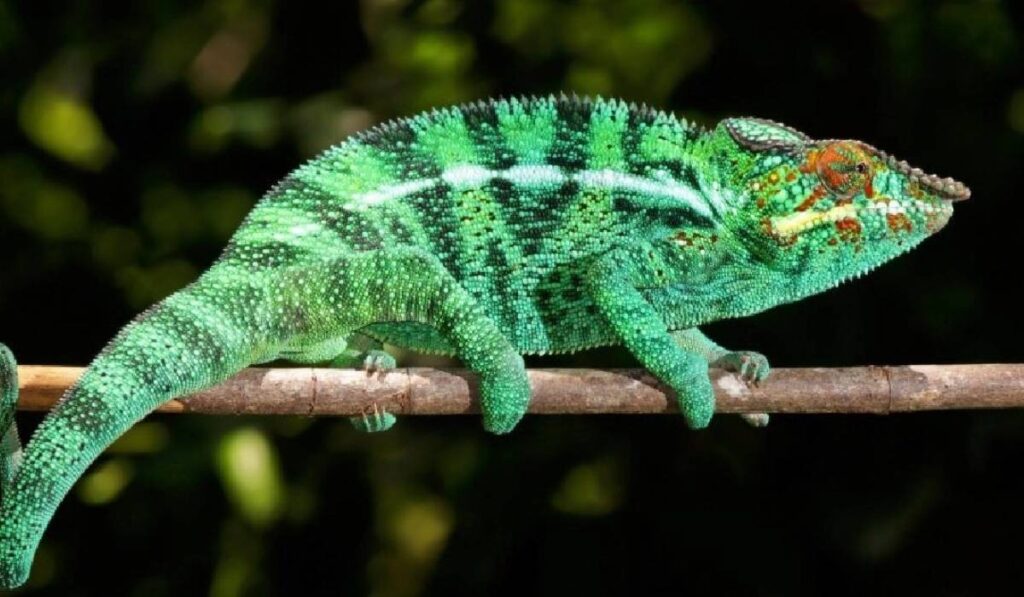
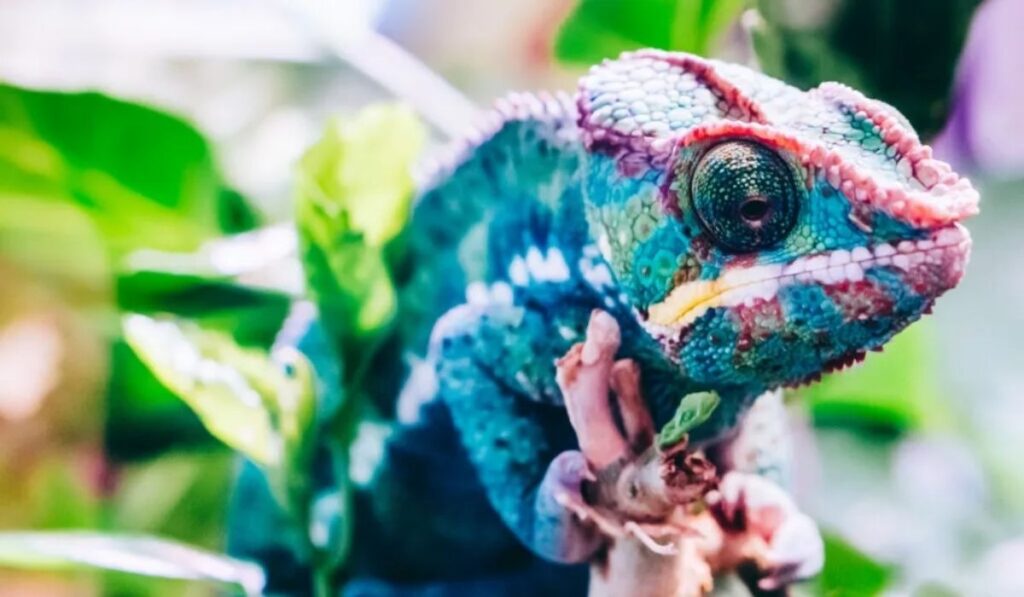
The most iconic trait of Chameleónovité is their ability to change color. This process is not only for camouflage but also for social signaling and temperature regulation. Color change is achieved through specialized cells called chromatophores and iridophores. Chromatophores contain pigments such as red, yellow, and brown, while iridophores reflect light and create iridescent effects. By expanding or contracting these cells, chameleons can produce a wide range of colors and patterns. The change can be triggered by environmental factors like temperature, light, and humidity, as well as internal stimuli such as stress, excitement, or mating readiness.
Behavior and Communication
Chameleónovité exhibit a variety of behaviors that are closely linked to their survival and reproduction. They are generally solitary creatures and are known for their territorial nature. Males often display vivid color patterns to warn rivals and attract potential mates. Head-bobbing, body swaying, and puffing up the body are common visual signals used to communicate aggression or dominance. Despite their solitary habits, chameleons also exhibit complex courtship behaviors. Females may respond to male displays with subtle color shifts or body movements, indicating receptivity or rejection. Understanding these behaviors is key to interpreting their interactions both in the wild and in captivity.
Habitat and Distribution
Chameleónovité thrive in a wide range of habitats, from dense tropical forests to savannas and even semi-arid regions. Madagascar is home to the largest diversity of chameleon species, many of which are endemic, meaning they are found nowhere else in the world. Other significant populations exist in sub-Saharan Africa, parts of the Middle East, and southern Europe. The adaptability of chameleons to different environmental conditions is aided by their arboreal lifestyle and specialized hunting strategies. Their presence in specific habitats often indicates the health of the ecosystem, as they are sensitive to changes in vegetation, climate, and prey availability.
Diet and Hunting Techniques
Chameleónovité are primarily insectivores, feeding on a variety of insects such as crickets, flies, and grasshoppers. Some larger species may also consume small birds or other reptiles. Chameleons are ambush predators, relying on their camouflage to remain undetected by prey. They possess an exceptionally long, sticky tongue that can be rapidly extended to capture insects from a distance. This tongue mechanism is highly accurate and capable of striking prey with remarkable speed and precision. Their slow, deliberate movements, combined with excellent vision, make them highly effective hunters despite their seemingly slow pace.
Reproduction and Life Cycle
Reproduction in Chameleónovité involves a complex interplay of behavior, color display, and environmental conditions. Most chameleons are oviparous, laying eggs that incubate for several months before hatching. Some species, however, are ovoviviparous, giving birth to live young. During the mating season, males engage in elaborate displays to attract females, often involving vibrant color changes and specific movement patterns. After mating, females may lay dozens of eggs in concealed locations, such as under leaf litter or buried in soil. Hatchlings emerge fully capable of hunting independently, though survival rates in the wild are often influenced by predation and environmental factors.
Adaptations for Survival

Chameleónovité possess several adaptations that increase their chances of survival. Beyond their color-changing abilities, they have excellent vision that allows them to detect movement from considerable distances. Their camouflage helps them avoid predators, while their arboreal habits reduce competition with ground-dwelling species. Some species can regulate their body temperature by changing colors to absorb or reflect heat. In addition, their slow, deliberate movements make them less noticeable to both predators and prey. These adaptations collectively allow chameleons to occupy ecological niches that few other reptiles can exploit.
Threats and Conservation
Despite their remarkable adaptations, Chameleónovité face numerous threats in the wild. Habitat loss due to deforestation, agriculture, and urban development has significantly reduced available living spaces for many species. Climate change poses additional risks by altering temperature and humidity patterns critical to their survival. Illegal pet trade is another major concern, as many chameleons are captured and sold worldwide, often under poor conditions that threaten their health. Conservation efforts focus on habitat protection, captive breeding programs, and regulations on trade. Awareness campaigns have also been essential in highlighting the ecological importance of chameleons and the need for sustainable practices.
Chameleónovité in Captivity
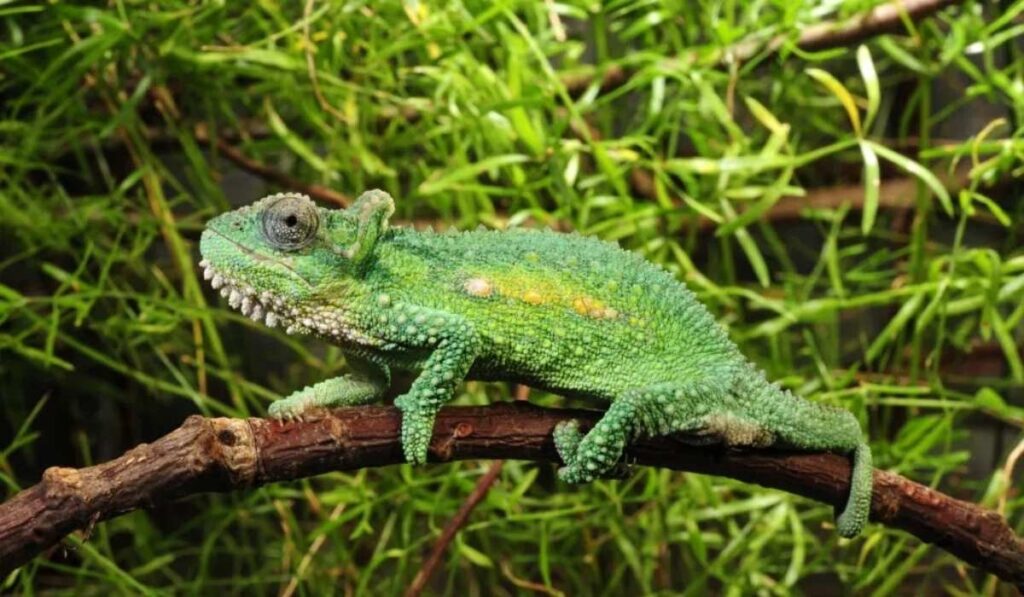
Keeping Chameleónovité in captivity requires specialized care and knowledge. Proper enclosures must replicate natural conditions, including temperature gradients, humidity, and vertical climbing space. Diet in captivity should closely mimic natural prey to ensure optimal nutrition, and water must be provided through misting or drip systems since chameleons rarely drink from standing water. Understanding their behavioral needs, including privacy and space, is essential for reducing stress and promoting healthy growth. Successful captive care has allowed many researchers and enthusiasts to study their behavior closely, contributing valuable information to the field of herpetology.
Fascinating Facts and Unique Traits
Chameleónovité possess several fascinating traits that continue to intrigue scientists and nature enthusiasts alike. Their eyes can move independently, allowing them to scan their environment for prey and predators simultaneously. Their tongues are among the fastest and longest in proportion to body size in the animal kingdom. Color change is not merely aesthetic; it conveys complex messages to other chameleons and helps regulate internal body temperature. Additionally, some species demonstrate remarkable endurance in their arboreal habitats, capable of navigating thin branches and leaves with precision and balance that surpasses many other reptiles.
Conclusion
Chameleónovité are extraordinary reptiles whose unique adaptations and behaviors provide a window into the complexity of nature. Their ability to change color, their arboreal lifestyle, and their intricate behavioral patterns make them fascinating subjects for both researchers and enthusiasts. Understanding their biology, habitat, and threats is crucial for conserving these remarkable creatures. As human activity continues to impact natural ecosystems, the study and protection of Chameleónovité serve as a reminder of the delicate balance required to preserve biodiversity and maintain the intricate web of life.
Frequently Asked Questions
1. What is the main purpose of color change in Chameleónovité?
- Color change in Chameleónovité serves multiple purposes, including camouflage, communication with other chameleons, temperature regulation, and signaling during mating or territorial disputes.
2. Where are Chameleónovité mostly found?
- Chameleónovité are primarily found in Madagascar, Africa, and parts of Asia, with some species existing in Europe and the Middle East.
3. What do Chameleónovité eat?
- Most Chameleónovité are insectivores, feeding on insects such as crickets, flies, and grasshoppers, though some larger species may consume small reptiles or birds.
4. Are Chameleónovité endangered?
- Many chameleon species face threats from habitat loss, climate change, and the illegal pet trade, making conservation efforts essential for their survival.
5. Can Chameleónovité live in captivity?
- Yes, Chameleónovité can live in captivity if provided with proper care, including appropriate temperature, humidity, climbing spaces, and a diet similar to their natural prey.