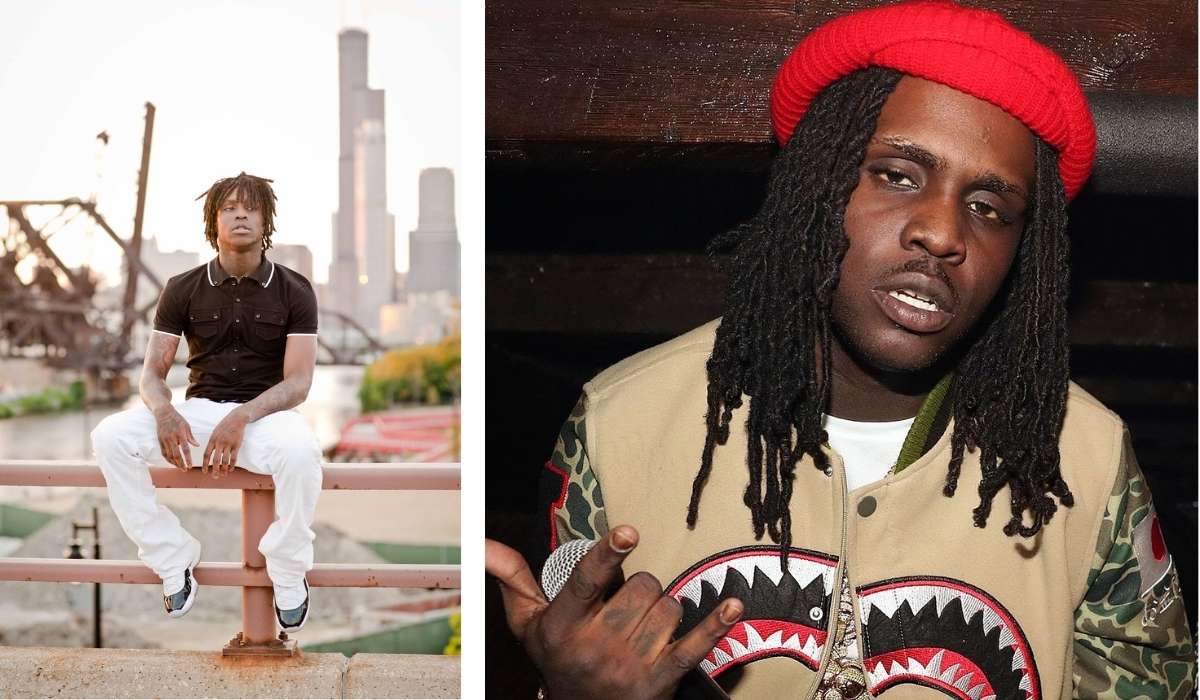
If we’re talking about the Chicago rap scene, you can’t skip over the rise of Chief Keef. This young rapper burst onto the scene in the early 2010s and quickly became one of the most influential voices in the industry.
- Chief Keef, born Keith Cozart, hails from the South Side of Chicago, an area known for its gritty street culture and vibrant music scene.
- He first gained attention with his viral hit “I Don’t Like” in 2012, which caught the ear of Kanye West and ultimately led to a record deal with Interscope Records.
- His debut album, “Finally Rich,” was released later that year, solidifying his status as a rising star in the rap world.
What set Chief Keef apart from other artists was his raw, unfiltered approach to music. His lyrics reflected the harsh realities of his upbringing, and his delivery was unmistakably authentic. Songs like “Love Sosa” and “Hate Bein’ Sober” became anthems for a generation of fans who resonated with his no-holds-barred style.
- Chief Keef’s influence can still be felt today, with many artists citing him as a major inspiration in their own music.
So, if you’re looking to understand the evolution of the Chicago rap scene, Chief Keef is a name you can’t ignore. His rise to fame was meteoric, but his impact on the industry is lasting.
Quick Bio
| Full Name | Keith Cozart |
|---|---|
| Known For | Rapper, songwriter, record producer |
| Nationality | American |
| Profession | Musician |
| Notable Achievements | Released several successful albums and mixtapes |
| Recognition | Known for popularizing drill music in Chicago |
Exploring Chief Keef’s Impact on Modern Hip Hop
Chief Keef, born Keith Cozart, rose to fame in the early 2010s as one of the leading figures in the Chicago drill music scene. His raw and unapologetic lyrics, coupled with his distinctive flow and delivery, quickly garnered him a dedicated following and solidified his place in modern hip hop.
One of Chief Keef’s biggest impacts on the genre lies in his influence on the sound of modern hip hop. His aggressive style and trap-influenced beats helped shape the landscape of rap music, paving the way for artists like Lil Durk, Lil Bibby, and G Herbo. Chief Keef’s authenticity and street credibility resonated with listeners, particularly in the Midwest, and brought a new energy to the rap game.
In addition to his musical contributions, Chief Keef’s rise to stardom also had a significant impact on the way artists utilize social media and the internet to promote their music and connect with fans. His early use of platforms like YouTube and Twitter to share his music and interact with followers helped set the stage for the DIY approach many artists take in building their brand today.
Overall, Chief Keef’s impact on modern hip hop is undeniable. His unique style, innovative approach to music promotion, and influence on the sound of rap music have solidified his place as a trailblazer in the genre.
Chief Keef’s Story: From Troubled Teen to Rap Superstar
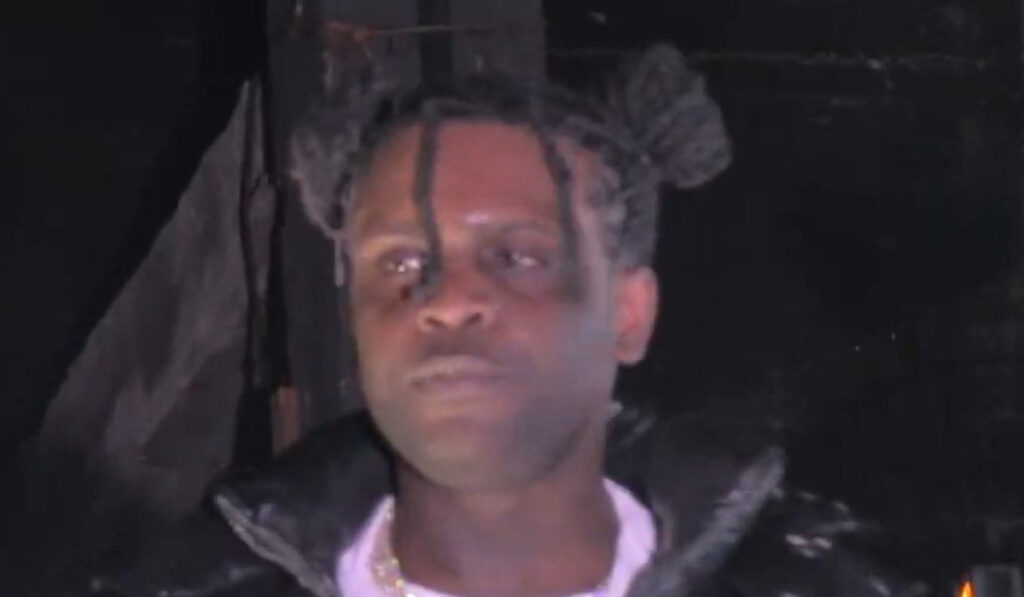
Chief Keef, born Keith Cozart, rose to fame as a rapper from Chicago in the early 2010s. His journey to becoming a rap superstar was filled with obstacles and challenges, making his success all the more remarkable. As a troubled teen growing up in the violent and poverty-stricken neighborhoods of Chicago, Chief Keef turned to music as an outlet for his frustrations and struggles.
With a rough and raw lyrical style, Chief Keef quickly gained attention in the underground rap scene with his mixtapes and viral music videos. His breakout hit “I Don’t Like” caught the attention of Kanye West, who remixed the song and helped propel Chief Keef to mainstream success.
Despite his rising fame, Chief Keef faced legal troubles and controversies that threatened to derail his career. From gun charges to feuds with other rappers, Chief Keef was no stranger to controversy. However, his authenticity and raw talent continued to attract a loyal fan base who resonated with his music.
- Chief Keef signed to Interscope Records in 2012
- Released his debut album “Finally Rich” in the same year
Through it all, Chief Keef remained true to his roots, never shying away from his upbringing or the struggles he faced. His impact on the rap industry can still be felt today, as he paved the way for a new generation of artists to embrace their authenticity and tell their own stories through music. Chief Keef’s story serves as a testament to the power of perseverance and staying true to oneself in the face of adversity.
Analyzing Chief Keef’s Innovative Sound and Style
Chief Keef, also known as Keith Farrelle Cozart, is a Chicago-born rapper who rose to fame in the early 2010s with his unique sound and style that heavily influenced the hip-hop scene. His innovative approach to music production and delivery has earned him a dedicated fan base and critical acclaim.
One of the key aspects of Chief Keef’s sound is his use of minimalist beats and aggressive delivery. His early mixtapes, such as “Bang” and “Back from the Dead,” featured hard-hitting trap beats and raw lyrics that spoke to the realities of street life in Chicago. His music was a reflection of his surroundings, with lyrics that were both gritty and introspective.
In addition to his sound, Chief Keef’s style also set him apart from other rappers of his generation. He often wore dreadlocks and sported tattoos on his face and arms, creating a visual aesthetic that matched his music. His nonchalant attitude and rebellious persona only added to his appeal, making him a polarizing figure in the industry.
Despite his controversial lyrics and legal troubles, Chief Keef’s impact on the rap scene cannot be denied. His influence can be heard in the music of artists such as Lil Uzi Vert, Playboi Carti, and Lil Pump, who have all cited him as a major inspiration. By staying true to himself and pushing the boundaries of conventional rap music, Chief Keef has solidified his place as a pioneer in the genre.
Chief Keef’s Controversial Legacy in the Music Industry

Chief Keef, born Keith Farrelle Cozart, rose to fame in the early 2010s with his unique style of drill music that originated in Chicago. His raw and aggressive lyrics, combined with minimalist production, caught the attention of music industry heavyweights and quickly garnered him a loyal fan base. However, Chief Keef’s controversial legacy in the music industry is a topic that cannot be overlooked.
One of the key controversies surrounding Chief Keef is his criminal record, which includes charges ranging from drug possession to gun possession. These legal troubles have not only landed him in jail multiple times but have also overshadowed his musical talent. Despite these challenges, Chief Keef has managed to stay relevant in the industry, releasing numerous mixtapes and albums that have received both critical acclaim and commercial success.
Another aspect of Chief Keef’s controversial legacy is his influence on the youth. His reckless behavior and lyrics glorifying violence and drug use have often been criticized for perpetuating negative stereotypes and encouraging harmful behavior among young listeners. On the other hand, some argue that Chief Keef’s music is a reflection of the harsh realities of life on the streets and serves as a form of artistic expression for marginalized communities.
Overall, Chief Keef’s impact on the music industry is undeniable. Whether you view him as a trailblazer in the drill music scene or a negative influence on impressionable audiences, there is no denying that Chief Keef’s controversial legacy will continue to spark debates for years to come.
The Evolution of Chief Keef’s Discography and Artistry
Chief Keef, born Keith Cozart, burst onto the music scene in the early 2010s as a teenage rapper from Chicago’s South Side. Known for his unique sound that blended drill music with melodic elements, Chief Keef quickly gained attention for his raw and unapologetic lyrics.
His debut studio album, “Finally Rich,” was released in 2012 and featured hit tracks like “I Don’t Like” and “Love Sosa.” These songs helped solidify Chief Keef’s presence in the rap world and garnered him a dedicated fan base.
As his career progressed, Chief Keef continued to release a steady stream of mixtapes and albums, showcasing his growth as an artist. He experimented with different sounds and styles, pushing the boundaries of traditional rap music.
One of Chief Keef’s defining characteristics as an artist is his ability to stay true to his roots while also evolving and adapting to the ever-changing music landscape. He has collaborated with a variety of artists, from established veterans to up-and-coming talents, further expanding his influence in the industry.
Despite facing setbacks and controversies throughout his career, Chief Keef has remained a prominent figure in hip-hop, with a discography that reflects his journey as an artist. From his early street anthems to his more introspective tracks, Chief Keef’s music continues to resonate with fans around the world.
Chief Keef’s Influence on the Next Generation of Rappers
Chief Keef, born Keith Cozart, has had a significant influence on the next generation of rappers in the hip-hop industry. His unique sound and unapologetic lyrics have inspired many up-and-coming artists to push boundaries and stay true to themselves.
One of the ways Chief Keef has impacted the next generation is through his raw and authentic storytelling. He often raps about his experiences growing up in Chicago, including violence, poverty, and his come up in the music industry. This honesty has resonated with young artists who also want to share their own stories and connect with their audience on a deeper level.
Additionally, Chief Keef’s production style has been emulated by many aspiring producers. His use of heavy basslines and trap beats has become a staple in modern hip-hop music, with artists like Lil Pump and Lil Uzi Vert taking inspiration from his sound.
Furthermore, Chief Keef’s disregard for traditional industry norms has empowered a new wave of rappers to carve out their own path to success. He famously gained popularity through social media and self-released mixtapes, showing aspiring artists that they don’t have to rely on major labels to make it in the industry.
In conclusion, Chief Keef’s impact on the next generation of rappers is undeniable. From his honest storytelling to his innovative production style, he has paved the way for artists to be true to themselves and create music that resonates with listeners.
Behind the Scenes: Chief Keef’s Personal Life and Struggles
Chief Keef, born Keith Farrelle Cozart, rose to fame as a prominent figure in the Chicago drill music scene. Known for his gritty lyrics and unique flow, Chief Keef quickly gained a massive following. However, behind the scenes, Chief Keef’s personal life was filled with struggles that often influenced his music.
One of the biggest struggles Chief Keef faced was his frequent run-ins with the law. From a young age, he found himself involved in various legal issues, including charges for drug possession, assault, and even a controversial incident involving a firearm. These legal troubles not only impacted his career but also took a toll on his mental health.
In addition to his legal problems, Chief Keef also faced challenges with managing his fame at a young age. As a teenager thrust into the spotlight, he struggled with the pressures of stardom and often found himself in the midst of controversies. This constant scrutiny and attention only added to his already turbulent personal life.
Despite these struggles, Chief Keef persevered and continued to make music that resonated with his fans. His raw, unapologetic style became a trademark of his music, earning him a dedicated following. Throughout his career, Chief Keef has stayed true to his roots, never shying away from addressing his personal struggles in his songs.
Overall, Chief Keef’s personal life and struggles have played a significant role in shaping his music and career. By opening up about his experiences, he has not only connected with his fans on a deeper level but also shown resilience in the face of adversity.
Frequently Asked Questions
Who is Chief Keef?
Chief Keef, born Keith Farrelle Cozart on August 15, 1995, is an American rapper, singer, and songwriter from Chicago, Illinois, known for popularizing the drill music genre.
What is he known for?
He is known for hits like “I Don’t Like” and “Love Sosa”, and for influencing a generation of rappers with the Chicago drill sound.
When did he start his career?
He began rapping in his early teens and gained fame around 2012 when his song “I Don’t Like” went viral.
Has Chief Keef faced legal issues?
Yes, he has had multiple legal issues, including arrests for gun possession, probation violations, and other charges.
What is his impact on music?
Chief Keef is credited with shaping modern hip-hop, especially drill music, influencing artists like Lil Durk, Lil Pump, and Juice WRLD.
Read More at Floridatimes