As we age, the importance of safety and comfort in our living environments becomes essential. In senior living communities, prioritizing these elements can greatly enhance quality of life. Improving safety means knowing the specific challenges seniors face. Then, we can take steps to address these issues.
Let’s explore the steps to ensure both safety and comfort in these vital living spaces.
Assessing the Environment
The first step toward improving safety is a thorough assessment of the living environment. It’s crucial to identify any potential hazards that residents might encounter. This includes looking for uneven surfaces, poor lighting, and obstacles that might impede mobility.
By addressing these risks, communities can help prevent falls, which are a leading cause of injury among seniors. Also, clear pathways help with navigation and lower the chances of accidents.
In common areas, consider using contrasting colors on steps and railings to make them more visible. Regular inspections should be part of the management routine to maintain and update safety features.
Implementing Safety Features
Once the environment has been assessed, it is essential to implement safety features that offer protection. This includes installing grab bars in bathrooms, adding handrails in corridors, and using non-slip materials on floors. Alarm systems, such as those that alert staff when a resident needs assistance, can provide peace of mind.
Emergency plans must also be updated and communicated to all residents. Regularly scheduled drills can help seniors know what to do in case of emergencies, such as fire or medical situations.
Building a safety culture needs continuous education. Workshops on safety practices can help residents feel empowered.
Fostering a Sense of Community
Enhancing safety is important, but comfort plays an equally critical role. A supportive community atmosphere can greatly impact residents’ mental health. Socialization helps alleviate feelings of isolation that many seniors may experience.
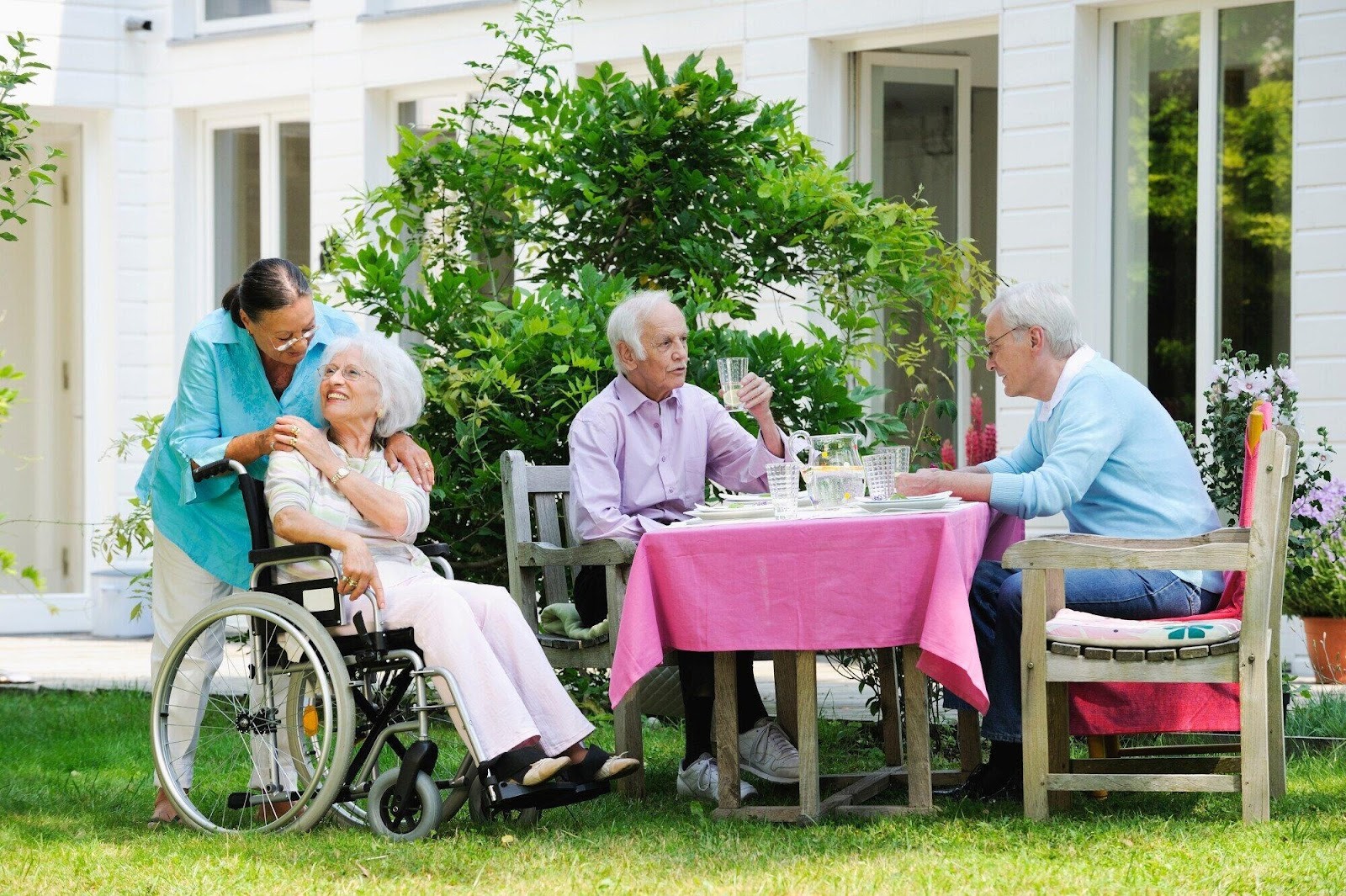
Consider having community meals where everyone can gather and share experiences. This helps build relationships and ensures residents have nutritious food options.
Inviting and comfortable shared spaces help residents gather. This builds a supportive network. The ultimate goal is to promote independent living with supportive services that empower seniors to thrive in a safe and comfortable environment.
Providing Personalized Support
Each resident has unique needs, so providing personalized support is essential. Staff should thoroughly understand these needs and develop individualized care plans. This can include assistance with daily tasks, medication management, and personal care.
Customizing services for each resident helps them get the support they need to stay independent. The role of the staff is vital in making residents feel valued and safe.
Regular check-ins can help alert staff to any emerging concerns and ensure that residents have the support they need. Clear communication channels help residents express their needs.
Encouraging Active Lifestyles
Promoting an active lifestyle is another integral step in enhancing comfort and safety. Regular physical activity can improve balance and strength, reducing the risk of falls. Offering exercise programs tailored to seniors can motivate them to engage in movement safely.
Activities such as yoga, walking clubs, or gentle aerobics can make a significant difference. These programs build confidence and skills, empowering seniors to live actively. Encouraging hobbies, like gardening or crafting, can also provide a sense of accomplishment and joy.
A Holistic Approach to Living
Improving safety and comfort in senior living communities takes commitment and ongoing work. Emphasizing an active lifestyle further enhances safety while ensuring all residents feel supported. Organizing regular activities can encourage interaction and help foster friendships among residents.
Check our website for more.