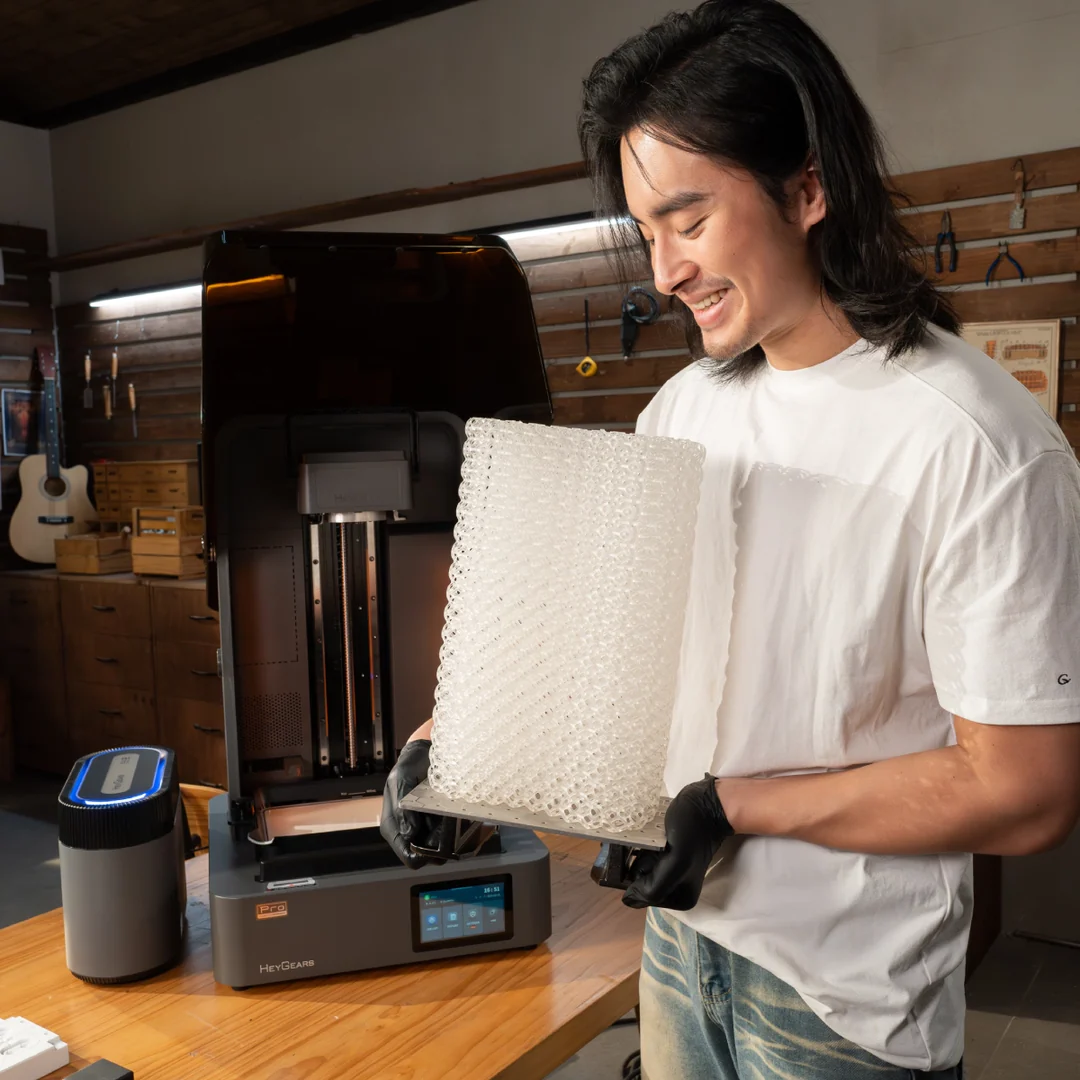
Living in an apartment often means compromising on workshop space. You likely lack a garage for loud machinery or a dedicated ventilation room. However, additive manufacturing is still accessible if you choose the right technology for a confined environment.
While filament machines are common, a modern resin printer often fits better on a standard desktop. The technology has evolved significantly, effectively fixing the messy and smelly reputation of the past.
The Reality of Space and Acoustics
When you have limited square footage and shared walls, the physical footprint and operating volume of a machine become the primary concerns for any hobbyist.
Vertical vs. Horizontal Footprints
Space efficiency is critical in apartment living. Traditional FDM printers require a large surface area because the print bed moves back and forth. You need clearance on all sides to prevent cables from snagging.
In contrast, a resin 3d printer utilizes a vertical Z-axis movement. The footprint is static, meaning it takes up strictly the space of the machine base. This makes it easier to place on a bookshelf or a narrow desk corner without dominating the room.
Managing Decibel Levels
Noise travels easily through thin apartment walls. Filament printers involve mechanical whirring from stepper motors and cooling fans that can run for hours.
To find the best resin 3d printer for shared spaces, silence is just as important as print quality. Liquid resin machines use a single moving axis and a light source, making them significantly quieter. You can run a print overnight without disturbing your roommates or neighbors.
Solving the Ventilation Challenge
Aside from noise, controlling air quality is essential when your workspace doubles as your living room or bedroom.
The Basics of Air Filtration
The biggest hesitation for indoor users is the odor. Liquid photopolymer resin emits Volatile Organic Compounds (VOCs) during the printing process. In a small studio, this can be overwhelming if uncontrolled.
Newer generations of hardware have addressed this with integrated air purification systems. High-end units now include active carbon filters directly inside the build chamber. This scrubs the air before it leaks into your living room.
Enclosed Ecosystems
A standard DIY resin printer often lacks a proper seal. For apartment use, you should look for machines designed with a fully enclosed hood that blocks UV light and traps vapors.
- Check for rubber seals around the lid.
- Look for internal circulation fans.
If the machine is airtight during operation, the smell is negligible. This turns a hazardous industrial tool into a viable home appliance.
Workflow and Cleanliness
Keeping a tidy apartment requires a streamlined process that prevents chemical spills and sticky surfaces during fabrication.
The “All-in-One” Approach
The printing process is only half the battle. The post-processing stage—washing and curing—is where the mess usually happens. In an apartment, you cannot risk spilling sticky chemicals on the carpet.
The best resin 3d printer for a clean home is one that minimizes human contact with the liquid. Advanced systems now offer automated washing stations that pair perfectly with the printer, keeping the workspace spotless.
Handling Chemicals Safely
When using a resin printer in a limited space, organization is key. You do not have the luxury of a dedicated “wet lab.”
By selecting a printer that utilizes intelligent resin management or automated filling, you reduce the risk of drips. A clean workflow ensures that your hobby remains fun rather than a chore involving endless cleanup.
Precision and Smart Features
Small-space manufacturing is not just about fitting the machine in; it is about maximizing the quality of output to justify the space it occupies.
High-Fidelity Results
Why choose liquid over filament in a small home? The answer is detail. If you have limited space, you likely want to produce high-value items like miniatures, jewelry, or detailed prototypes.
A resin printer provides layer heights that are invisible to the naked eye. This level of precision is difficult to achieve with plastic extrusion, making the space trade-off worth it for artists and designers.
AI and Success Rates
In an apartment, you want to avoid failed prints. A failed print means wasted material and unnecessary fume exposure during cleanup.
The best resin 3d printer models now incorporate smart sensors. These detect if a print has detached or if the build plate is unlevel. This technology ensures that you get a successful result without constant babysitting.
Conclusion
To safely bring fabrication into an apartment, prioritize noise reduction and air filtration. In the end, the best resin 3d printer combines high-resolution output with a self-contained ecosystem. This balance keeps your home comfortable while serving as a creative hub.