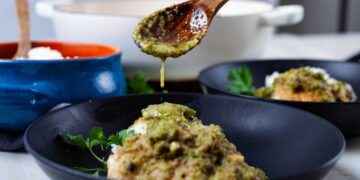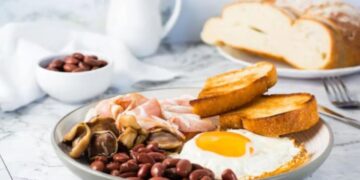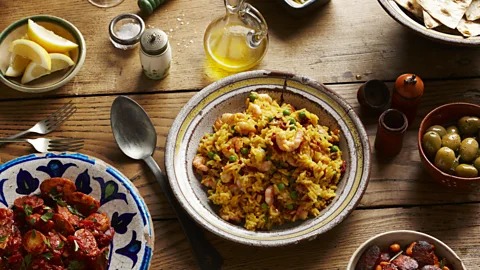
Walk into almost any café, food court, or casual restaurant today and you will spot them right away. Big bowls. Colorful layers. Everything is neatly arranged but still relaxed. Bowl meals have become one of the most popular ways to serve food, and honestly, it is not hard to see why.
For one, bowl meals are simple. You start with a base, usually rice, grains, noodles, or greens. Then come the toppings. Proteins, vegetables, sauces, crunch, and maybe something pickled or spicy. Everything sits together in one bowl, no fuss, no complicated plating. It feels complete, comforting, and customizable all at once.
What really makes bowl meals stand out is how flexible they are. They can be warm or cold. Heavy or light. Plant-based or protein-packed. You can make them fancy enough for a restaurant menu or humble enough for a quick weeknight dinner. One bowl, endless combinations.
The Appeal of Everything in One Place
Part of the charm of bowl meals is psychological. There is something satisfying about seeing a full meal laid out in front of you, all in one place. You do not need separate plates, sides, or extra dishes. You can see your carbs, your veggies, and your protein at a glance.
They also make eating feel less formal and more intuitive. You scoop a little of this, a little of that. You mix flavors as you go. Some bites are spicy, others creamy, others crunchy. It feels personal, like the bowl adapts to how you want to eat in that very moment.
And yes, there is also a practical side. Cleaning up after a bowl meal is easy. One bowl, one fork or spoon, and you are done.
Bowl Meals and Everyday Budget Reality
Another reason bowl meals have become so popular is how friendly they are to real-life budgets. You do not need exotic ingredients or complicated techniques to make a good one. A pot of rice, some roasted vegetables, and a simple sauce can already feel like a complete meal.
For many people, especially those cooking at home, bowls are a way to stretch ingredients across multiple meals. Leftover chicken becomes tomorrow’s lunch bowl. Extra roasted veggies find a new life with a different sauce. Even small portions feel satisfying when everything is combined thoughtfully.
This is also where bowl meals secretly help with saving money as a student, since you can build filling, balanced meals from affordable staples like rice, beans, seasonal vegetables, and simple proteins without relying on expensive takeout or packaged food.
The Anatomy of a Great Bowl Meal
A good bowl meal usually follows a loose structure, though there are no strict rules. Think of it as a formula rather than a recipe.
First, there is the base. This could be rice, quinoa, couscous, noodles, lentils, or leafy greens. The base sets the tone. Rice and grains feel hearty. Greens feel lighter. Noodles bring comfort.
Next comes the protein. Chicken, tofu, beans, fish, eggs, or even roasted chickpeas work well here. Protein gives the bowl substance and keeps you full longer.
Then come the vegetables. Roasted, raw, sautéed, or pickled. A mix of textures works best. Something soft, something crunchy, something fresh.
Finally, there is the sauce or dressing. This is where the bowl really comes alive. A peanut sauce, tahini drizzle, yogurt dressing, or simple vinaigrette can tie everything together.
Why Restaurants Love Bowl Formats
From a restaurant perspective, bowl meals make a lot of sense. They are efficient to prepare, easy to customize, and visually appealing. Customers like having choices, and bowls allow for that without overwhelming the kitchen.
Bowls also travel well, which makes them ideal for takeout and delivery. Everything stays contained. Nothing slides off a plate. The presentation holds up even after a short ride.
This is why you see bowl concepts everywhere, from poke bowls and burrito bowls to grain bowls and noodle bowls. Each cuisine adapts the format to its own flavors, but the structure stays familiar.
Bowl Meals at Home Feel Less Intimidating
One underrated benefit of bowl meals is how forgiving they are for home cooks. You do not need perfect knife skills or exact measurements. If something is slightly overcooked or under-seasoned, the bowl usually balances it out.
Bowls also encourage experimentation. You can try new grains, sauces, or vegetables without committing to a full recipe. If it works, great. If not, you learn and move on.
For people who feel stuck cooking the same meals over and over, bowls offer a reset. Change the base, swap the sauce, and suddenly it feels new again.
Cultural Roots of Bowl Meals
While bowl meals feel trendy, they are far from new. Many cultures have been eating bowl-style meals for generations. Think of bibimbap, donburi, ramen, pho, and rice and curry combinations. The modern bowl trend is really a remix of these traditions, adapted for global tastes and busy lifestyles.
What has changed is the presentation and branding. Today’s bowls are often labeled as “power bowls” or “grain bowls,” but the idea remains the same. Balanced, comforting food served in a single vessel.
Making Bowl Meals Work for Your Routine
The beauty of bowl meals is that they fit into almost any routine. They work for meal prep since components can be cooked in batches. They work for quick lunches since leftovers combine easily. They even work for entertaining, where everyone builds their own bowl from shared ingredients.
If time is short, keep it simple. One base, one protein, two veggies, one sauce. That is all you need. Over time, you will naturally build a rotation of favorites.
Why Bowl Meals Are Here to Stay
Food trends come and go, but bowl meals feel more like a shift in how we think about eating. They are flexible, approachable, and practical. They meet people where they are, whether that is a busy weekday, a tight budget, or a desire to eat more mindfully.
Most importantly, bowl meals make food feel less complicated. They remind us that a good meal does not need to be elaborate to be satisfying. Sometimes, everything you need really does fit into one bowl.